
Uncategorized
The Ultimate Guide to the Best Travel Camera in 2026: Capture Memories That Last a Lifetime


Introduction
The world is vast, beautiful, and filled with moments waiting to be captured. Whether you are navigating the bustling streets of a foreign city, standing in awe before a natural wonder, or simply enjoying a quiet sunset on a distant beach, the desire to preserve these memories is universal. For years, the smartphone has been the go-to tool for this task, offering convenience at the tap of a screen. However, for those who truly cherish their travel memories and want to capture images with depth, detail, and artistry, a dedicated travel camera remains an indispensable companion. The term “travel camera” has evolved significantly, moving from simple pocket-sized zooms to sophisticated devices that rival professional equipment .
Choosing the right camera for your journey can be daunting, given the myriad of options available. This guide is designed to cut through the noise and provide a comprehensive overview of the best travel cameras in 2026, catering to every style of traveler, from the casual holidaymaker to the dedicated vlogger and professional photographer. We will explore the critical factors that define a great travel camera, from sensor size and portability to lens versatility and durability, ensuring you make an informed decision that will elevate your travel photography for years to come . Whether you seek a compact powerhouse for street photography or a rugged, weather-sealed device for extreme adventures, understanding what makes a camera truly travel-friendly is the first step in capturing the stories you want to tell.
The Evolution of the Travel Camera: More Than Just a Phone
It is easy to assume that a modern smartphone can replace a dedicated camera, and in many ways, they are incredibly capable. However, the gap between a phone and a dedicated camera is still significant for anyone looking for more than just a quick snapshot . A travel camera is not just about higher megapixel counts; it is about a holistic experience that begins with the feel of the device in your hand and ends with a final image that stands out. While phones often rely on computational photography to process an image, a dedicated camera provides superior sensor technology, allowing for better dynamic range, reduced noise in low light, and the ability to capture a scene exactly as you envisioned it .
The definition of a travel camera has shifted. Once used to describe simple point-and-shoots, the term now encompasses a wide range of devices, including premium compacts, interchangeable-lens mirrorless cameras, and even rugged action cameras. This evolution is driven by travelers’ demands for professional-quality images without the bulk of traditional DSLRs. The best travel cameras combine portability with powerful features like large sensors, fast autofocus, and versatile lenses, ensuring that your memories are captured with the clarity and emotion they deserve .
What to Look for in a Travel Camera
Before diving into specific models, it is essential to understand the key features that make a camera ideal for travel. The primary consideration is portability. A camera that is too heavy or bulky will likely be left behind in the hotel room, making its technical prowess irrelevant. The perfect travel camera is one that you want to carry with you throughout your journey, fitting easily into a daypack or even a large pocket . The second crucial aspect is sensor size. Cameras with larger sensors, such as APS-C or full-frame, can absorb more light, resulting in significantly better image quality, especially in challenging conditions like low-light restaurants or twilight landscapes. This is a critical advantage over smaller-sensor cameras and phones .
Lens versatility is another pivotal factor. Whether you choose a camera with a fixed zoom lens or an interchangeable lens system, the ability to capture a wide range of scenes—from expansive landscapes to intimate portraits—is invaluable. This is where many travel cameras shine, offering versatile zoom ranges like 24-200mm that can handle almost any situation you encounter on your travels. Lastly, features like in-body image stabilization (IBIS) and weather sealing add a significant layer of confidence. IBIS helps produce sharp, blur-free images when shooting handheld, while weather sealing protects your gear from the dust, rain, and humidity that are inevitable parts of any adventure .
Top Contenders for 2026: The Best Travel Cameras for Every Type of Traveler
The market in 2026 is rich with options for the discerning traveler. Some of the most highly recommended models have been tested and praised by experts, each offering a unique set of strengths tailored to different travel styles. These cameras have been selected for their outstanding performance, portability, and ability to capture stunning images straight out of the camera. Whether your passion lies in street photography, landscape, or creating cinematic travel vlogs, there is a camera on this list that will serve as your perfect companion.
Best Overall: Fujifilm X100VI
If there is one camera that has captured the hearts of travelers and photographers alike, it is the Fujifilm X100VI. Often hailed as the best compact travel camera on the market, the X100VI is a masterpiece of design and performance . Its success lies in its ability to combine a large 40.2MP APS-C sensor with a fixed, but exceptionally sharp 23mm f/2 lens (35mm equivalent) in a retro-styled, pocketable body . This combination delivers extraordinary image quality, rich colors, and incredible detail that makes every shot look professionally crafted.
What sets the X100VI apart is the sheer joy of using it. Its dial-led controls and the acclaimed Film Simulation modes allow you to create stunning JPEGs straight out of the camera, reducing the need for extensive post-processing. This is a game-changer for travelers who want to share their experiences instantly without sacrificing quality. The addition of in-body image stabilization (IBIS) in this latest iteration is a massive upgrade, allowing for sharper images in low light, while its optional weather-sealing ensures it can handle light rain and dust . If you are looking for a camera that is as beautiful to look at as the images it produces, and you can work within a fixed focal length, the Fujifilm X100VI is an unrivaled choice.
Best for Pocketability: Ricoh GR III / IV
For photographers who prioritize discretion and true pocketability, the Ricoh GR III and its newer sibling, the Ricoh GR IV, are in a league of their own. These cameras are the ultimate “everyday carry” devices, small and light enough to slip into a jeans pocket without being noticed . Despite their diminutive size, they pack a powerful APS-C sensor that delivers image quality that rivals much larger, more expensive cameras. The GR III’s 28mm equivalent f/2.8 lens is legendary for its sharpness, making it a favorite among street photographers and travel documentarians who need to capture authentic moments quickly and unobtrusively .
The Ricoh GR series is designed for a purist photography experience. The controls are intuitive, and the camera feels like an extension of the photographer’s hand. The newer GR IV improves upon its predecessor with even better autofocus and built-in internal storage, making it a robust and reliable option. While battery life is a known limitation, carrying a few spare batteries is a small price to pay for a camera this capable and portable . It is the ideal choice for travelers who want professional-quality images without the bulk of a traditional camera system.
Best Luxury: Leica Q3
For those with a taste for the finest things in life, the Leica Q3 represents the pinnacle of luxury compact cameras. This camera is not just a tool; it is a statement. It combines a stunning full-frame 60-megapixel sensor with a breathtaking 28mm f/1.7 Summilux lens, producing images with unparalleled detail, tonality, and that legendary “Leica look” . The craftsmanship is evident in every aspect of its design, from its robust, stylish body to its intuitive menu system.
The Leica Q3 is a serious investment, but for the discerning traveler, it offers an unmatched shooting experience. Its full-frame sensor excels in any lighting condition, and the 28mm lens is perfect for capturing expansive landscapes and environmental portraits. While it is not as small as other compacts, it is still remarkably compact for a full-frame camera and includes IP54 weather protection for peace of mind . If you want the absolute best image quality and a camera that feels as premium as the memories you are capturing, the Leica Q3 is the ultimate choice.
Best for Video and Vlogging: Sony ZV-E10 II and DJI Osmo Pocket 3
The rise of travel vlogging has created a demand for cameras that prioritize video performance without compromising on portability. For creators who need a versatile, interchangeable-lens system, the Sony ZV-E10 II is a standout. Designed from the ground up for content creators, it features a flip-out screen for easy self-recording, Sony’s best-in-class real-time eye-tracking autofocus, and a compact APS-C body that produces excellent 4K video . Its ability to switch lenses makes it incredibly adaptable, allowing you to choose the perfect optic for any scenario.
If you prefer an even simpler, more portable video solution, the DJI Osmo Pocket 3 is a revolutionary device. This small, gimbal-stabilized camera has become a favorite among travel vloggers for its ability to produce incredibly smooth, cinematic footage straight out of the box . It is small enough to fit in a pocket and features a 1-inch sensor that delivers surprisingly high-quality video. The built-in 3-axis gimbal eliminates the need for bulky external stabilizers, making it the ultimate tool for capturing dynamic walking shots and B-roll on the go. It’s a game-changer for solo travelers who want to create professional-looking content without a complex setup .
Best for Adventures: OM System Tough TG-7
Travel often involves unpredictable environments, from sandy beaches to snowy mountains and even underwater adventures. For these conditions, a rugged camera is essential, and the OM System Tough TG-7 is the undisputed leader. This camera is built to withstand the elements, being waterproof to 15 meters, shockproof from a 2.1-meter drop, freezeproof to -10°C, and crushproof . Its sheer robustness means you can take it anywhere without fear of damage, making it the ideal companion for water sports, hiking, or any high-adventure activity.
While its sensor is smaller than others on this list, the TG-7 still produces vibrant, punchy images, especially in bright outdoor conditions. It also features a versatile 24-100mm f/2.0 zoom lens and impressive macro capabilities, allowing you to capture both wide landscapes and tiny details up close. For travelers who value durability and the ability to shoot in any environment more than ultimate image fidelity, the Tough TG-7 is an invaluable asset .
Best for Telephoto and Families: Panasonic Lumix ZS99 / TZ99
For a family vacation or a trip to a national park where you want one camera to handle everything, the Panasonic Lumix ZS99 / TZ99 is a fantastic choice. It revives the classic travel-zoom concept, offering a staggering 30x optical zoom lens that covers a massive focal range, from wide landscapes to distant wildlife . This incredible zoom power is packed into a body that remains small enough to fit in a pocket, making it incredibly versatile.
This camera is about convenience and flexibility. It allows you to capture a variety of scenes without changing lenses, which is perfect for a family setting where you need to react quickly to capture fleeting moments. While it may not match the image quality of larger-sensor cameras in low light, its performance in good lighting conditions is impressive, making it a reliable choice for daytime adventures and travel memories that span a wide range of subjects .
Gearing Up: Essential Accessories for Travel Photography
Having the best camera is only part of the equation. To truly elevate your travel photography, a few key accessories can make a significant difference in the quality of your results and the ease of your experience. A compact, lightweight tripod is essential for capturing sharp images in low light, creating long-exposure effects with water, or taking group photos that include yourself. Look for a portable travel tripod made of carbon fiber to save on weight .
Spare batteries and memory cards are non-negotiable. A dead camera is a photographer’s worst nightmare, so having a couple of extra batteries is crucial, especially if you shoot a lot of video . Similarly, SD cards are inexpensive, and carrying a few high-capacity cards ensures you never run out of storage for important shots. For the video-centric traveler, a wireless microphone is also an excellent investment to capture crystal-clear audio, dramatically improving the quality of your vlogs .
Conclusion
In the end, the best travel camera is the one that inspires you to shoot and fits comfortably within your travel style and budget. The landscape of travel photography in 2026 is incredibly vibrant, offering a camera for every type of adventurer. If your priority is the absolute best image quality in a compact, stylish package, the Fujifilm X100VI is the reigning champion. For those who value pocketability and discreetness above all else, the Ricoh GR III/IV is an unbeatable companion. The Sony ZV-E10 II and DJI Osmo Pocket 3 cater perfectly to the modern vlogger, while the OM System Tough TG-7 is the go-to for thrill-seekers. Finally, the Panasonic Lumix ZS99 offers the ultimate all-in-one zoom solution for families.
Regardless of your choice, investing in a dedicated travel camera is an investment in your memories. It is about moving beyond the limitations of a smartphone to capture the world in its full glory—with depth, color, and emotion. So, as you plan your next journey, consider what stories you want to tell and choose a camera that will help you tell them in the most beautiful way possible. Happy travels!
Frequently Asked Questions (FAQ)
1. Is it worth buying a travel camera instead of just using my smartphone?
Yes. While smartphones are highly capable, dedicated travel cameras offer significant advantages. They have larger sensors that capture more light, resulting in superior image quality with better detail, dynamic range, and low-light performance. They also provide optical zoom capabilities, more manual controls, and a more engaging photography experience, which are crucial for taking your travel photos to the next level .
2. What is the most important factor to consider when choosing a travel camera?
The most important factor is portability. The best camera is the one you will actually carry with you on your adventures. If a camera is too heavy or bulky, it will likely be left in your hotel room, negating its purpose. Look for a camera that balances size and weight with the features you need . A close second is sensor size, as larger sensors (APS-C and full-frame) deliver the best image quality.
3. Are fixed-lens cameras better than interchangeable-lens cameras for travel?
It depends on your needs. Fixed-lens cameras like the Fujifilm X100VI or Ricoh GR III are often smaller, lighter, and simpler, making them ideal for minimalists and street photographers. Interchangeable-lens cameras like the Fujifilm X-E5 or Sony A6700 offer greater versatility, allowing you to switch lenses for different situations (e.g., a wide-angle for landscapes, a telephoto for wildlife). The best choice depends on whether you prioritize simplicity or flexibility .
4. What does “weather-sealing” mean and is it important?
Weather-sealing refers to a camera’s design and construction that protects it from dust, moisture, and light rain. It is a highly beneficial feature for travel, as it provides peace of mind when shooting in unpredictable outdoor conditions. While it doesn’t make a camera fully waterproof, it ensures you can keep shooting without worrying about a sudden downpour damaging your gear .
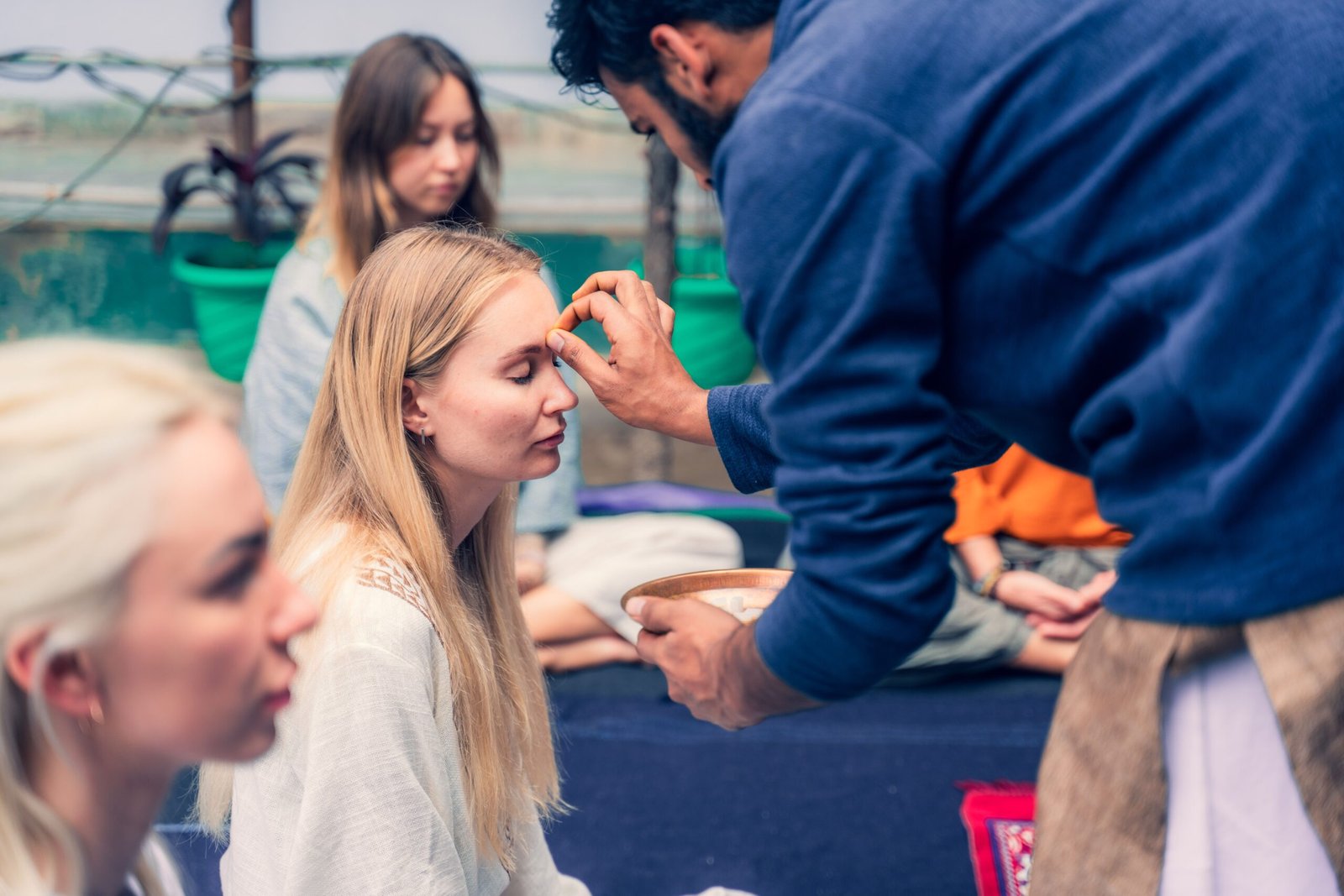
Isha Kriya is a guided meditation practice created by Sadhguru and offered through the Isha Foundation. It is designed as a relatively simple practice that can be incorporated into everyday life without requiring extensive experience in yoga or meditation. According to Isha’s official materials, the name combines “Isha,” referring to the source of creation, and “kriya,” meaning an internal action. The stated purpose of the practice is to help an individual become more aware of the source of their existence and develop greater clarity in approaching life. The practice is particularly accessible because the core session can be completed in roughly 12 to 18 minutes, although beginners are encouraged to follow the guided instructions carefully rather than treating it as an improvised meditation.
For someone searching for Isha Kriya meditation, the most important thing to understand is that it is not simply a period of sitting quietly with closed eyes. It follows a specific structure involving posture, breathing, mental attention, vocalization of the “A” sound, and a period of stillness. The official instructions divide the process into three stages. The first combines gentle breathing with the mental phrases “I am not the body” and “I am not even the mind,” the second involves producing the long “A” sound seven times, and the third consists of sitting quietly for several minutes. The complete practice is intended to be followed without an interruption once it has begun.
What Is Isha Kriya?
Isha Kriya is a meditation process associated with the yogic tradition and developed by Sadhguru. Unlike some forms of meditation that emphasize simply observing thoughts or concentrating on an object, Isha Kriya uses a sequence of specific instructions intended to bring attention toward the distinction between one’s physical body, mental activity, and a deeper sense of identity. The official Isha description presents it as a practice intended to help people deal with the demands of modern life while cultivating qualities such as clarity, peace, wellbeing, focus, and dynamism. These are descriptions of the intended or reported effects of the practice, rather than a guarantee that every person will experience the same results.
One distinctive feature of Isha Kriya is its use of the phrases “I am not the body” and “I am not even the mind.” During the first stage, these phrases are coordinated with inhalation and exhalation. The practice therefore gives the mind something specific to engage with instead of asking a beginner to immediately achieve complete mental silence. The official explanation describes these statements as a way of creating a certain distance or space between an individual and the physical and mental processes they normally identify with.
Isha Kriya Meaning
The meaning of Isha Kriya can be understood through the two words that make up its name. According to Isha’s official explanation, “Isha” refers to that which is the source of creation, while “kriya” refers to internal action. In this context, Isha Kriya is presented as an inward-oriented yogic process rather than merely a relaxation exercise. Its broader purpose, according to the organization that offers it, is to help practitioners become more aware of their existence and consciously approach their lives rather than remaining completely identified with physical and mental activity.
The philosophical idea behind the practice is particularly relevant to understanding why the meditation uses the phrases about the body and mind. In everyday life, people commonly describe the body and thoughts as “me” or “myself.” Isha Kriya introduces a different perspective by asking the practitioner to mentally recognize that the body and mind are things they experience rather than the entirety of who they are. Whether someone approaches this idea spiritually, philosophically, or simply as an exercise in self-observation depends on their personal perspective.
How to Do Isha Kriya
The official instructions describe Isha Kriya as a three-stage process. Before beginning, the practitioner should sit comfortably with the spine erect, traditionally facing east, with the hands resting on the thighs and palms facing upward. The face is kept slightly upturned, the eyes are closed, and there is a mild focus between the eyebrows. If sitting cross-legged on the floor is uncomfortable, the official FAQ states that the practice can also be performed on a chair, with the legs crossed at the ankles and the right ankle over the left.
Stage One: Breath and Awareness
The first stage involves slow, gentle breathing combined with mental awareness. On each inhalation, the practitioner mentally says “I am not the body,” and on each exhalation mentally says “I am not even the mind.” The official instructions recommend continuing this stage for approximately 7 to 11 minutes. The breathing should remain gentle rather than forced, and the mental phrases should be coordinated with the duration of the breath. The purpose within the practice is to repeatedly bring attention to the distinction between physical and mental experience and the deeper sense of self described by the Isha tradition.
Stage Two: The “A” Sound
The second stage introduces vocalization. The practitioner makes a long “A” sound, pronounced as the “a” in “father,” seven times. The official instructions say that the sound should originate from the area below the navel and should be loud enough for the practitioner to feel its vibration without needing to shout. Each sound is made during an exhalation, with the breath being fully released into the sound.
The official Isha FAQ associates this sound with the manipuraka chakra, describing the vibration as beginning below the navel and spreading through the body. This is a traditional yogic explanation rather than a conclusion established here as a medical or physiological fact. The important practical point for someone learning Isha Kriya is to follow the official instructions and make the sound naturally rather than straining the voice.
Stage Three: Sitting Quietly
The final stage is a period of stillness. After completing the seven “A” sounds, the practitioner sits quietly for approximately 5 to 6 minutes, keeping the face slightly upturned and maintaining a mild focus between the eyebrows. The total practice is therefore approximately 12 to 18 minutes according to the official written instructions. During this period, the practitioner is instructed not to become preoccupied with whatever is happening in the body or mind, but simply to remain seated and continue the process.
Isha Kriya Benefits
The benefits of Isha Kriya are an important reason people search for this practice. Isha’s official materials state that regular practice is intended to support qualities such as clarity, focus, energy, peace, wellbeing, and dynamism. The organization also describes the meditation as a tool for dealing with the hectic pace of modern life. These should be understood as the practice’s stated benefits rather than promises of specific medical outcomes.
One commonly discussed benefit is greater mental clarity. A structured meditation gives the practitioner a period in which attention is intentionally directed away from everyday tasks and toward breathing, awareness, sound, and stillness. For people whose days are dominated by constant notifications, work, study, family responsibilities, and other distractions, creating a consistent period of quiet may itself become a useful part of a daily routine. The Isha Foundation specifically describes enhanced clarity and heightened focus among the intended benefits of regular Isha Kriya practice.
Another stated benefit is a greater sense of peace and wellbeing. Meditation practices are often incorporated into personal routines because they provide dedicated time for slowing down and becoming more attentive to the present experience. Isha’s description of Isha Kriya emphasizes peace, wellbeing, and joy, but individual experiences naturally vary. Someone beginning the practice should therefore approach it as a consistent self-care or contemplative practice rather than expecting an immediate or guaranteed transformation.
Isha Kriya for Beginners
Isha Kriya for beginners can be especially approachable because the basic process is relatively short and the official organization provides guided instruction. Beginners should resist the temptation to modify the practice based on assumptions about meditation. For example, the first stage is not simply ordinary deep breathing, and the second stage is not an invitation to repeat the “A” sound indefinitely. The official instructions specify particular durations and repetitions, including seven repetitions of the sound.
Consistency is also more useful than trying to make one session unusually long. The official Isha instructions state that the practice can be done twice daily for 48 days or once daily for 90 days, describing 48 days as a complete mandala or cycle. People who cannot maintain those schedules can practice as often as possible, according to the official FAQ.
Best Time to Practice Isha Kriya
There is no requirement to choose one universal clock time for everyone. The official Isha FAQ says that Isha Kriya can be practiced at a convenient time, while advising practitioners to avoid doing it around midnight. This makes it possible to build the meditation into different lifestyles. Someone with a busy morning might practice later in the day, while another person may find that a morning routine is easier to maintain. The most useful schedule is generally one that can be followed consistently while respecting the practice’s official instructions.
It is also worth considering your relationship with food and energy levels. Isha’s FAQ says that an empty stomach is not required for Isha Kriya, although practicing immediately after a large meal may make a person sleepy. A comfortable setting where you are unlikely to be physically interrupted is preferable, although the organization states that a special meditation room is not mandatory.
Can You Do Isha Kriya on a Chair?
Yes. The official Isha FAQ specifically addresses people who cannot comfortably sit cross-legged on the floor and states that Isha Kriya can be performed while sitting on a chair. The legs should be crossed at the ankles, with the right ankle over the left. This makes the practice more accessible to people who find floor sitting uncomfortable.
The important consideration is maintaining the basic posture and following the instructions rather than forcing the body into a position that causes discomfort. Meditation should not become a competition to sit in a particular posture. If physical limitations make a traditional posture difficult, following the officially provided alternative can allow the practitioner to focus on the process itself.
How Long Does Isha Kriya Take?
A complete Isha Kriya practice takes approximately 12 to 18 minutes according to the official written instructions. The first stage lasts around 7 to 11 minutes, the second stage consists of seven “A” sounds, and the final stage takes approximately 5 to 6 minutes. The relatively short duration is one reason the practice can be incorporated into a daily schedule.
Although the official website describes Isha Kriya as something that can be practiced in about 12 minutes a day, beginners should focus more on completing the prescribed sequence properly than on trying to finish as quickly as possible. The practice is structured around a particular sequence, so rushing through the stages can undermine the purpose of following the instructions carefully.
Isha Kriya and Daily Meditation
One of the interesting aspects of Isha Kriya is that it can become part of a broader daily meditation habit. A short practice is often easier to maintain than an ambitious routine that requires a large amount of free time. By choosing a consistent place and approximate time, practitioners can create a recognizable transition between everyday activity and meditation. Over time, this routine may make it easier to sit down and begin without spending several minutes deciding whether to practice.
However, meditation should not be viewed as a replacement for professional medical or mental-health care when such care is needed. Isha Kriya is presented by its creators as a yogic and meditative process, not as a substitute for diagnosis or treatment of medical conditions. People with particular health concerns can discuss whether meditation is appropriate for them with a qualified healthcare professional.
Common Mistakes When Practicing Isha Kriya
A common mistake for beginners is trying to force the mind to become completely empty. The official Isha instructions instead give the practitioner specific things to focus on, including the breath and the mental phrases used during the first stage. Another mistake is changing the sequence because a person believes that more repetitions must produce greater results. The official instructions specifically state that the “A” sound should be uttered seven times during the practice.
Another common issue is becoming distracted by physical sensations or thoughts and assuming that the session has therefore failed. The instructions tell practitioners not to pay attention to the activity of the mind or body during the sitting and simply to remain seated. Distraction is a normal experience in many forms of meditation, so the useful approach is generally to return attention to the instructions rather than judging the quality of every thought or sensation that appears.
Isha Kriya vs. Other Meditation Practices
Isha Kriya differs from many general meditation techniques because it has a defined sequence rather than being an entirely open-ended practice. It combines breath awareness, specific mental statements, vocalization, posture, and a final period of stillness. Someone accustomed to mindfulness meditation, for example, may notice that Isha Kriya provides more explicit instructions about what to do throughout the session.
The practice is also specifically associated with the teachings and yogic framework of Sadhguru and the Isha Foundation. That distinction can be useful for readers who are comparing different meditation traditions. Rather than treating every meditation method as interchangeable, it is better to understand the philosophy and instructions associated with each practice and then determine which approach fits one’s own interests and circumstances.
Is Isha Kriya Scientifically Proven?
It is important to be precise when discussing the Isha Kriya benefits. The official Isha website describes a number of intended or reported benefits, including clarity, focus, peace, wellbeing, and energy. However, those descriptions should not automatically be interpreted as proof that Isha Kriya can prevent or treat particular diseases. Scientific evidence for one meditation practice cannot simply be transferred from studies of different meditation techniques.
Readers interested in the scientific side of meditation should therefore distinguish between traditional yogic explanations, testimonials, organizational claims, and independently conducted scientific research. This distinction makes an article about Isha Kriya more useful because it avoids presenting spiritual concepts or personal experiences as established medical facts.
How to Build a Consistent Isha Kriya Routine
Creating a consistent routine is often easier when the meditation is attached to an existing part of the day. For example, someone might choose a quiet period after waking up, while another person might prefer a period after returning home from work. The official Isha guidance allows flexibility regarding the time of day, so the key practical consideration is finding a time when interruptions are unlikely and the practitioner can complete the process without taking a break.
A simple approach is to begin by learning the official guided version carefully, setting aside enough uninterrupted time, and practicing without trying to redesign the technique. After becoming familiar with the sequence, the practitioner can focus on consistency and awareness. Keeping expectations realistic can also help: meditation is a practice rather than a single event, and different people may experience it differently.
Conclusion
Isha Kriya is a structured guided meditation created by Sadhguru and offered through the Isha Foundation. Its relatively short format combines controlled attention to breathing, the mental statements “I am not the body” and “I am not even the mind,” seven repetitions of the long “A” sound, and a final period of quiet sitting. Official Isha materials describe the practice as a way to cultivate clarity, focus, peace, wellbeing, and greater awareness, while also emphasizing regular practice.
For beginners, the most important part of learning how to do Isha Kriya is to follow the established instructions rather than improvising the sequence. The practice can be performed in a comfortable seated position, including on a chair when necessary, and the official guidance provides options for incorporating it into a regular routine. Whether approached from a spiritual, philosophical, or contemplative perspective, Isha Kriya offers a clearly defined meditation process that can be explored through the official guided resources.
Frequently Asked Questions About Isha Kriya
What is Isha Kriya?
Isha Kriya is a guided meditation practice created by Sadhguru and offered through the Isha Foundation. It combines breathing, mental awareness, vocalization, and stillness in a structured sequence.
How long does Isha Kriya take?
The complete practice takes approximately 12 to 18 minutes, according to the official written instructions.
What are the benefits of Isha Kriya?
The Isha Foundation describes benefits including greater clarity, focus, energy, peace, wellbeing, and dynamism. Individual experiences can vary, and these descriptions should not be treated as guaranteed medical outcomes.
How often should you do Isha Kriya?
The official guidance recommends practicing twice daily for 48 days or once daily for 90 days for those following the suggested routine. It also states that people who cannot maintain those schedules can practice as often as possible.
Can beginners practice Isha Kriya?
Yes. Isha presents the practice as a simple guided meditation accessible to people without extensive meditation experience. Following the official guided instructions is recommended, particularly when learning the sequence for the first time.
Can Isha Kriya be done on a chair?
Yes. The official FAQ says that people who cannot sit comfortably on the floor can use a chair, with the legs crossed at the ankles and the right ankle over the left.
Do I need an empty stomach for Isha Kriya?
According to the official FAQ, an empty stomach is not required, although practicing with a full stomach may make you sleepy.
Can I practice Isha Kriya more than once a day?
The official FAQ says the practice can be done more than twice a day if desired, while also describing twice daily for 48 days or once daily for 90 days as the recommended structured routines.
Where can I learn Isha Kriya?
The Isha Foundation provides official guided resources and written instructions online. Using the official guided version is particularly useful for beginners because the practice follows a specific sequence.
Is Isha Kriya the same as regular meditation?
Isha Kriya is a form of meditation, but it has its own specific structure and yogic framework. Unlike completely open meditation, it provides particular instructions involving breathing, mental phrases, the “A” sound, posture, and stillness.

2022 Tesla Model X: Complete Guide to Price, Range, Specs, Performance, and Features

Isha Kriya: A Complete Guide to This Simple Guided Meditation

Zoozoo Tube: A Complete Guide to Online Video Entertainment

RepMold: The Complete Guide to Advanced Mold Repair, Replication, and Sustainable Manufacturing Solutions

The Quiet Strength of Charles Ezekiel Mozes: A Story of Privacy, Family, and Identity

Jane Benyo: The Untold Story of Tom Petty’s First Wife and the Inspiration Behind a Rock Anthem
 Tech4 months ago
RepMold: The Complete Guide to Advanced Mold Repair, Replication, and Sustainable Manufacturing Solutions
- lifestyle4 months ago
The Quiet Strength of Charles Ezekiel Mozes: A Story of Privacy, Family, and Identity
- lifestyle4 months ago
Jane Benyo: The Untold Story of Tom Petty’s First Wife and the Inspiration Behind a Rock Anthem
- Fashion4 months ago
Femboy Names: The Ultimate Guide to Finding Your Perfect Feminine Identity
- Tech4 months ago
Patricia Fair: A Comprehensive Exploration of the Name Behind Influence, Science, and Family
- Business4 months ago
Exhentaime: The Ultimate Guide to Mastering Time, Boosting Productivity, and Achieving Work-Life Balance
- Business4 months ago
Foxfiny com: A Comprehensive Review, User Guide, and Credibility Analysis for 2026
- Business4 months ago
Unveiling Piragnia: The Truth Behind the Amazon’s Most Feared Fish