Tech
RepMold: The Complete Guide to Advanced Mold Repair, Replication, and Sustainable Manufacturing Solutions

Introduction
In the fast-paced world of modern manufacturing, the integrity and precision of molds stand as critical factors determining production efficiency, product quality, and ultimately, business profitability. As industries ranging from automotive and aerospace to electronics and consumer goods continue to push the boundaries of design complexity and production speed, traditional mold-making and repair methods are increasingly revealing their limitations. Enter RepMold—a transformative approach that is fundamentally reshaping how manufacturers approach mold maintenance, replication, and production . This comprehensive guide explores the innovative world of RepMold, examining its advanced technologies, key benefits, and the profound impact it is having on sustainable manufacturing practices across the globe. Whether you are a production manager seeking to reduce costly downtime, an engineer looking to extend the lifespan of critical tooling assets, or a business leader aiming to embrace more sustainable manufacturing processes, this article provides an in-depth look at how RepMold solutions can drive efficiency, precision, and long-term value in your operations .
What is RepMold? Defining a New Era in Mold Manufacturing
At its core, RepMold represents a paradigm shift in the world of mold manufacturing, repair, and replication. It is not merely a single technology or service, but rather a comprehensive, technology-driven approach that integrates advanced engineering methods to address the most pressing challenges faced by manufacturers today . Unlike conventional mold services that often rely on labor-intensive manual processes and extensive lead times, RepMold leverages cutting-edge digital and physical technologies to deliver precision, speed, and cost-efficiency . This approach encompasses everything from the initial design and prototyping of molds to the intricate repair of worn tooling and the accurate replication of legacy components. By combining high-resolution 3D scanning, sophisticated CAD/CAM software, additive manufacturing techniques like 3D printing, and precision CNC machining, RepMold provides a complete ecosystem for managing the entire lifecycle of a mold . This integration allows manufacturers to move away from reactive, often expensive, maintenance strategies toward a proactive model where tooling assets are digitally managed, precisely maintained, and rapidly reproduced when necessary, ensuring that production lines remain operational and efficient.
The Limitations of Traditional Mold Making and Maintenance
To fully appreciate the revolution brought by RepMold, it is essential to understand the shortcomings of traditional mold-making and maintenance methods. Historically, creating a new mold has been a slow, laborious, and expensive process, often taking weeks or even months from initial design to final production . These conventional processes are heavily dependent on skilled craftsmen and manual techniques, which, while valuable, introduce a significant risk of human error, leading to inconsistent quality and potentially costly rework . Furthermore, traditional materials and methods can be both costly and environmentally damaging, often generating substantial waste and relying on energy-intensive processes . When molds inevitably wear down or become damaged from the extreme pressures and temperatures of continuous production cycles, the repair process is equally challenging. Companies typically face a difficult choice: endure lengthy and expensive repairs by specialized technicians, or invest in the creation of an entirely new mold, which involves the same slow and costly process all over again . This reactive approach leads to significant production downtime, operational delays, and inflated costs, creating a major bottleneck for businesses striving for agility and efficiency in a competitive market .
Advanced Technologies Driving RepMold Solutions
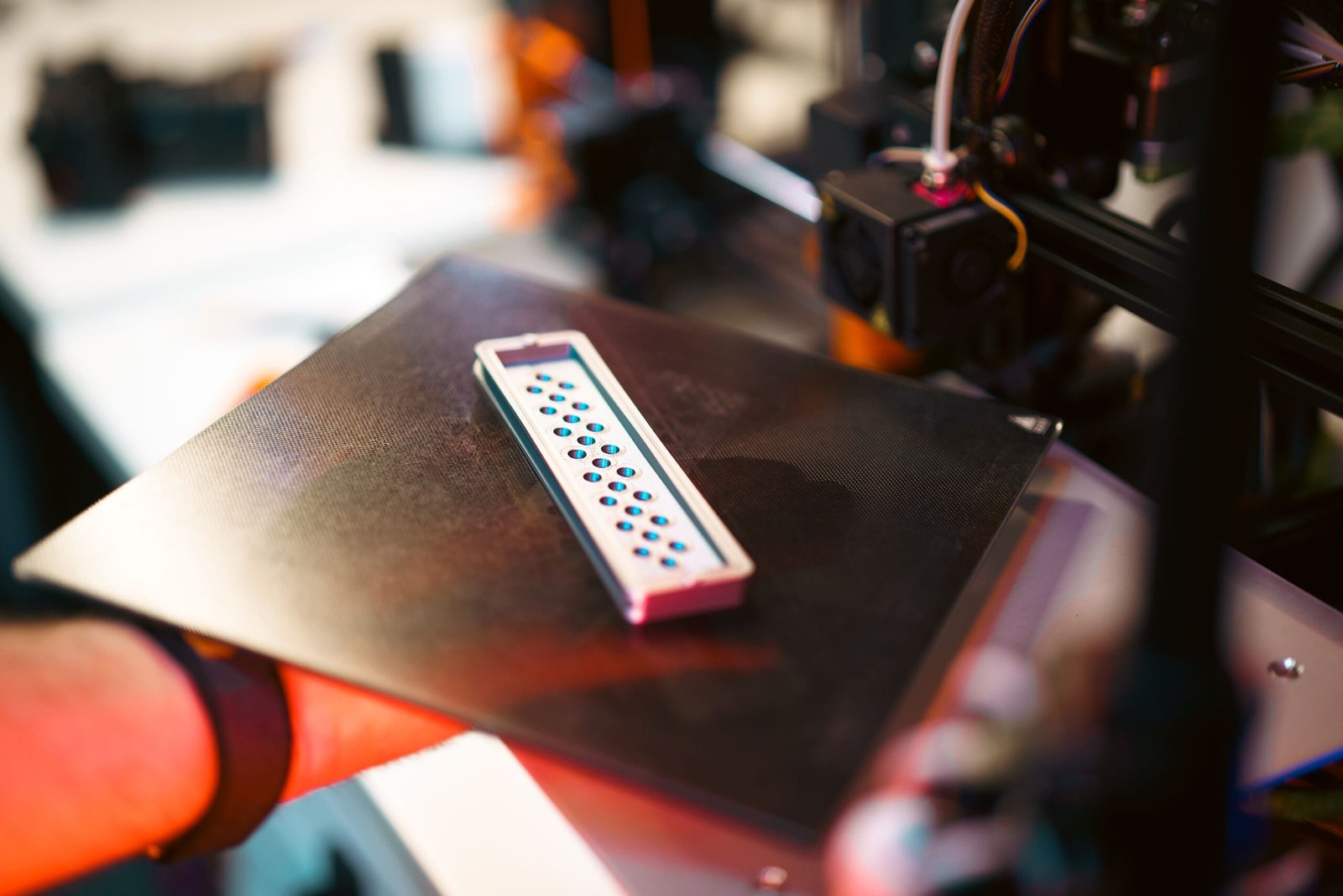
The power of RepMold lies in its innovative use of technology to streamline and enhance every stage of the mold lifecycle. A cornerstone of this approach is high-resolution 3D scanning, which allows for the precise digital capture of a mold’s geometry, even for complex or intricate designs . This data is crucial for both repair and replication, as it eliminates guesswork and ensures that any work performed is based on exact measurements. This scanned data is then processed using Computer-Aided Design (CAD) software, creating a detailed and accurate digital model. This digital twin serves as the blueprint for all subsequent work, allowing engineers to analyze the design, identify potential weaknesses, and make optimizations before any physical work begins . For replication and manufacturing, Computer-Aided Manufacturing (CAM) systems convert these digital designs into instructions for automated machinery, ensuring the precise and consistent production of mold components . Perhaps most transformative is the integration of additive manufacturing, or 3D printing, which enables the rapid prototyping of mold components and the creation of complex internal geometries that are often impossible to achieve with traditional machining . This technology dramatically accelerates the development cycle, allowing for rapid iteration and testing . These technologies, combined with precision CNC machining for final finishing and rigorous metrology and quality control systems, allow RepMold to deliver a level of precision and consistency that traditional methods simply cannot match .
Key Services Offered by RepMold
RepMold provides a suite of specialized services designed to address the diverse needs of modern manufacturing, focusing on extending the life and performance of critical tooling assets. The primary service is precision mold repair, which goes far beyond simple patching. It involves a detailed inspection and a strategic repair plan to restore a mold’s structural integrity and surface quality . This can include repairing cracks using specialized welding techniques, rebuilding worn features like edges and corners, and performing surface polishing and finishing to ensure high-quality part production . When a mold is too far gone for repair, RepMold offers advanced mold replication services. Using the 3D scanning and CAD modeling process, RepMold can create an exact replica of a mold, even when the original design files have been lost or corrupted . This is particularly valuable for legacy tooling that is still essential for production. A related and crucial service is reverse engineering, where RepMold helps manufacturers digitize their entire inventory of legacy tooling, creating a permanent, updatable digital library of molds . This not only simplifies future repairs and maintenance but also allows for the optimization of older designs to meet modern performance standards. Furthermore, RepMold’s expertise in additive manufacturing integration allows for the production of specialized mold components or the creation of molds with optimized cooling channels, improving production efficiency and part quality .
The Strategic Advantages of Partnering with RepMold
Adopting RepMold solutions provides manufacturers with a powerful competitive advantage across multiple dimensions of their operations. The most immediate and tangible benefit is the significant reduction in downtime. Mold failures can bring production lines to a standstill, but RepMold’s fast diagnostics and efficient repair services minimize these interruptions, keeping production schedules on track and preventing costly delays . This speed directly translates to substantial cost savings. Repairing or replicating an existing mold is almost always more economical than manufacturing an entirely new one, and RepMold’s efficient processes reduce labor and material waste, lowering overall operational costs . Beyond cost, RepMold ensures uncompromising product quality. By restoring molds to their original specifications or even improving upon them, and by using rigorous quality control measures at every step, RepMold guarantees that the molds continue to produce parts that meet exacting quality and dimensional standards . Another strategic advantage is the creation of a digital tool management system. By converting physical molds into digital files, manufacturers gain better control and visibility over their tooling assets, simplifying maintenance scheduling and making it easy to order future replacements . This digital-first approach also facilitates sustainability, as repairing and reusing existing molds significantly reduces material waste and the energy consumption associated with manufacturing new ones, supporting environmentally responsible manufacturing practices .
Sustainability and the Environmental Impact of RepMold
In an era where sustainability is a growing imperative for businesses and consumers alike, RepMold is emerging as a champion of eco-friendly manufacturing practices . The traditional “make-and-dispose” model for molds is inherently wasteful, consuming vast amounts of raw materials and energy while generating significant scrap. RepMold offers a powerful alternative by prioritizing the extension of a mold’s useful life through expert repair and restoration, effectively reducing the demand for new raw materials and the energy required for their production . This shift from replacement to repair is a fundamental step toward a circular economy within the manufacturing sector . Furthermore, RepMold’s processes are inherently more efficient. The precision of digital design and automated manufacturing minimizes errors and reduces material waste during both the repair and replication processes . By producing lighter, more efficient molds that can withstand more cycles, companies can further reduce their energy consumption over the lifespan of the tooling. The commitment to sustainability is also evident in the exploration of advanced materials, including recyclable and bio-based options, and the constant drive to improve the energy efficiency of manufacturing processes . By choosing RepMold, companies are not only improving their bottom line but also actively reducing their environmental footprint, aligning with global sustainability goals and appealing to a market that increasingly values environmental responsibility.
Conclusion
The manufacturing landscape is being reshaped by the need for greater speed, precision, and sustainability. RepMold stands at the forefront of this transformation, offering a comprehensive, technology-driven solution that addresses the critical challenges of mold repair, replication, and manufacturing. By moving away from slow, costly, and wasteful traditional methods and embracing advanced digital and automated processes, RepMold empowers manufacturers to dramatically reduce downtime, lower costs, ensure consistent product quality, and build a more sustainable operation . Its integration of 3D scanning, CAD/CAM software, additive manufacturing, and precision machining provides an end-to-end solution for managing the lifecycle of essential tooling assets . As industries continue to evolve and the demand for complex, high-quality products increases, the adoption of innovative solutions like RepMold is no longer just an advantage—it is becoming a necessity for staying competitive. By investing in RepMold, businesses are not just fixing molds; they are investing in a smarter, more resilient, and environmentally responsible future for manufacturing .
Frequently Asked Questions (FAQ)
1. What exactly is RepMold and what does it do?
RepMold is an advanced, technology-driven platform specializing in the repair, replication, and manufacturing of molds for various industries . It uses cutting-edge technologies like 3D scanning, CAD/CAM software, and additive manufacturing to restore damaged molds to their original specifications, create exact replicas of lost or outdated tooling, and produce new, precision-engineered molds . The primary goal is to help manufacturers reduce downtime, lower costs, and extend the life of their production assets.
2. How does RepMold differ from traditional mold repair services?
Traditional mold repair often relies on manual, time-consuming processes that can be prone to error. RepMold, in contrast, utilizes a digital-first workflow . By using 3D scanning to create an exact digital model of the mold, repairs and replications can be planned and executed with unparalleled precision using automated CNC and additive manufacturing equipment. This results in faster turnaround times, higher accuracy, and greater consistency compared to conventional methods .
3. What are the main advantages of using RepMold for my business?
Key advantages include a significant reduction in expensive production downtime, substantial cost savings by avoiding the purchase of entirely new molds, and the assurance of reliable, high-quality product output . RepMold also helps businesses digitize and manage their tooling inventory more effectively and contributes to sustainability goals by reducing waste .
4. Can RepMold replicate a mold if I have lost the original design files?
Yes, this is one of RepMold’s core capabilities. Through advanced reverse engineering and high-resolution 3D scanning, RepMold can capture the exact geometry of an existing mold and convert it into a precise CAD model . This digital file can then be used to create an exact replica of the mold, making it an invaluable solution for legacy tooling where original drawings or files are unavailable.
5. Is RepMold a sustainable manufacturing solution?
Absolutely. RepMold promotes sustainability by extending the lifespan of existing molds through expert repair, which significantly reduces the demand for raw materials and the energy required to manufacture new ones . The precision of its digital processes also minimizes material waste and its efficient technologies help lower the overall energy consumption of the manufacturing process. This makes it an environmentally friendly choice for modern production facilities .


Receiving a call from an unfamiliar number can immediately create questions, especially when the caller does not leave a clear voicemail or when the number appears unexpectedly on a mobile phone or landline. If you are searching for 01495654487, you are probably trying to discover who called, why the number contacted you, whether the call was genuine, or whether you should return it. Searches for unknown telephone numbers have become increasingly common because people receive calls from businesses, service providers, customer support teams, delivery companies, automated systems, and unwanted callers every day. An unfamiliar number is not automatically dangerous, but it is sensible to investigate before sharing personal information or calling back.
The purpose of this guide is to help readers understand how to approach a search for 01495654487 responsibly. Rather than assuming the identity of the caller without reliable evidence, the safest approach is to examine the available information, check whether a voicemail or message was left, review the context of the call, and use reputable caller-identification resources. This article also explains how to distinguish between potentially legitimate calls and suspicious communications, what steps to take before returning a call, and how to protect your personal and financial information when dealing with an unknown telephone number.
Why People Search for 01495654487
People usually search for a specific telephone number because they want an immediate answer to a simple question: who called me? However, the reasons behind the search can be much more complicated. A person may have received a missed call from 01495654487 while at work, noticed the number appearing repeatedly, received a voicemail that was difficult to understand, or been contacted shortly after making an inquiry with a company. Others may search after receiving a message that asks them to call the number back. Because the circumstances surrounding every call are different, the number alone does not always provide enough information to establish the caller’s identity or purpose with certainty.
A search for 01495654487 may also be motivated by caution. Phone scams and impersonation attempts have made many people more careful about answering unfamiliar calls. Fraudsters may claim to represent a bank, government organisation, technology company, delivery service, or another trusted institution. For this reason, the most important question is not simply whether the number appears familiar. The more important question is whether the caller can be independently verified and whether their request makes sense in the context of your recent activities. If a caller asks for passwords, security codes, banking information, or immediate payment, additional caution is necessary regardless of the number displayed on your phone.
Understanding the Number 01495654487
When investigating 01495654487, it is useful to remember that telephone numbers should not be interpreted in isolation. A number may belong to an individual, a business, a call centre, a customer service operation, or another type of organisation. In some situations, the number displayed on a telephone may also be affected by caller-ID technology, call forwarding, or number spoofing. This means that the displayed number is not always conclusive proof of the caller’s identity. Therefore, a search result, user comment, or caller-identification database should be treated as one piece of information rather than unquestionable evidence.
The best approach is to combine several sources of information. Start by checking whether the caller left a voicemail and listen carefully for a name, company, department, or reason for the call. Review your recent activities to determine whether you contacted a business or organisation that might reasonably call you. Check any emails, appointment confirmations, delivery notifications, or customer service requests associated with the time of the call. If 01495654487 is linked to an organisation, the safest verification method is often to locate that organisation’s official contact details independently and contact it through a number published on its own official website or documents.
How to Investigate an Unknown Caller Safely
The first step after receiving a call from 01495654487 is usually to avoid rushing into a decision. A missed call does not necessarily require an immediate callback. If the matter is important and the caller represents a legitimate organisation, there may be a voicemail, an email, a letter, or another attempt to contact you. Taking a few minutes to investigate can help prevent mistakes, particularly when the call involves money, account access, or sensitive information.
You can search the exact number online, including quotation marks around 01495654487, to look for relevant discussions or reports. However, online comments should be assessed carefully because they may be inaccurate, outdated, or based on misunderstandings. One person’s experience does not necessarily prove that every call from a number has the same purpose. If several independent and credible reports describe similar behaviour, that information may provide useful context, but it is still important to verify important claims independently.
Another useful step is to check reputable caller-identification or spam-reporting services. These platforms may contain information about the frequency of reports, general categories associated with a caller, or comments from other recipients. Nevertheless, community-generated information should not be considered definitive proof. Businesses can change telephone numbers, numbers can be reassigned, and legitimate numbers can sometimes be mislabelled. A careful investigation of 01495654487 should therefore focus on patterns and evidence rather than assumptions.
Should You Call 01495654487 Back?
Whether you should return a call to 01495654487 depends on the circumstances. If you were expecting a call from a company, service provider, professional, or organisation and the timing matches your recent activity, returning the call may be reasonable. Before doing so, you should still verify the number through an independent source if the matter involves sensitive information. For example, if someone claims to be calling from a bank, it is safer to use the telephone number printed on the back of your bank card or published through the bank’s official channels rather than relying solely on the incoming caller ID.
If there was no voicemail, no message, and no obvious reason for the call, there may be little urgency to return it. You can wait to see whether the caller contacts you again and provides more information. Repeated calls accompanied by vague explanations, pressure, threats, or demands for immediate action should be treated cautiously. Legitimate organisations generally have established procedures for identity verification and should not require you to disclose confidential security credentials simply because they have called you.
When calling back 01495654487, avoid revealing personal details before you know who is on the other end of the call. Ask the caller to identify themselves and explain the reason for the contact. If they claim to represent an organisation, verify that claim independently. Never provide one-time security codes, passwords, full banking credentials, or other confidential information simply because a caller appears convincing.
Warning Signs to Watch for During an Unknown Call
An unknown number such as 01495654487 should not automatically be classified as suspicious, but certain behaviours can indicate that additional caution is necessary. One major warning sign is pressure. A caller who insists that you must act immediately and discourages you from verifying their identity may be attempting to prevent you from thinking carefully. Another warning sign is an unexpected request for sensitive information. Genuine organisations may need to verify your identity in some situations, but you should understand why the information is being requested and independently confirm the organisation before providing anything confidential.
Threats can also be a serious warning sign. Be cautious if a caller claims that your account will be closed immediately, that you will face legal consequences unless you make a payment, or that an urgent problem can only be resolved by following their instructions. Similarly, unexpected requests to install software, transfer money, purchase gift cards, or share authentication codes should be treated with extreme caution. These warning signs are relevant regardless of whether the call appears to come from 01495654487 or any other unfamiliar telephone number.
A professional and legitimate caller should normally be able to provide a clear explanation of who they are and why they are contacting you. If the conversation becomes confusing, aggressive, or inconsistent, end the call and investigate independently. You do not have to make an immediate decision simply because someone has contacted you by telephone.
What to Do If You Think the Call Was Suspicious
If you received a suspicious call from 01495654487, the first priority is to avoid further sharing of personal or financial information. If you have not provided any sensitive details, simply ending the call may be sufficient while you investigate the situation. You can block the number if repeated unwanted calls continue, although blocking one number may not prevent future calls from different numbers.
If you already shared financial information, account credentials, passwords, or security codes, contact the relevant organisation immediately through independently verified contact information. Do not wait for the suspicious caller to contact you again. Explain what information was shared and follow the organisation’s security instructions. Changing passwords, reviewing account activity, and enabling additional security protections may also be appropriate depending on the information involved.
It is also useful to preserve evidence of suspicious communications. Keep screenshots of messages, note the date and time of the call, record the number displayed, and write down what the caller said. This information may be useful when reporting unwanted or fraudulent communications to the relevant authorities, service providers, or organisations. The more accurately you document an incident involving 01495654487, the easier it may be to explain what happened if further action becomes necessary.
Why Caller ID Alone Is Not Enough
Modern telephone systems make caller identification useful, but caller ID should not be treated as absolute proof of identity. Technology can affect how numbers are displayed, and malicious callers may attempt to make a call appear as though it originates from a different number. This is one reason why receiving a call from a familiar-looking number does not necessarily guarantee that the person on the other end is associated with that number.
For someone researching 01495654487, this means that a number search should be part of a broader verification process. Consider the content of the conversation, the caller’s behaviour, whether the contact was expected, and whether the organisation can be reached independently. If an important matter is involved, ending the call and contacting the organisation through an official channel is often the safest solution.
How Businesses Can Make Legitimate Calls Easier to Recognise
Legitimate businesses and organisations can reduce confusion by clearly identifying themselves when contacting customers. A professional caller should normally explain their name, the organisation they represent, and the reason for the call without immediately requesting highly sensitive information. Businesses can also provide official confirmation through secure customer accounts, established email addresses, appointment reminders, or other recognised communication channels.
For users receiving a call from 01495654487, context matters greatly. A call may appear less concerning if it follows an appointment, service request, customer support inquiry, or other recent interaction. However, even in these circumstances, caution remains appropriate if the caller suddenly requests information that is unrelated to the original matter or pressures you to make an immediate payment.
Best Practices for Handling Unknown Phone Numbers
The safest general rule is to pause before acting. You do not need to answer every unfamiliar call, and you do not need to return every missed call immediately. Allow unknown callers to leave a voicemail when possible and review the message before responding. Search the number, but do not rely entirely on anonymous comments or a single database result. Consider whether you have a legitimate reason to expect contact from the caller.
When dealing with 01495654487, never let curiosity or pressure override basic security practices. If the call concerns your bank, utility provider, government services, online account, or another important organisation, use contact information you have obtained independently. Do not use links, telephone numbers, or instructions provided by a caller until you have verified them.
It is also helpful to maintain good general telephone security habits. Keep your accounts protected with strong, unique passwords, enable multi-factor authentication where available, and remember that authentication codes are usually intended to be private. Be especially cautious when someone calls unexpectedly and asks you to read a code aloud, approve a login request, or transfer money to a supposedly safe account.
Conclusion
Searching for 01495654487 is a sensible step if you have received an unexpected call and want to understand more about it. The most important approach is to investigate carefully rather than making assumptions based solely on the telephone number. Check for voicemail messages, consider whether the call was expected, review your recent interactions, and use reliable sources to investigate any organisation that the caller claims to represent.
Whether 01495654487 belongs to a legitimate caller or an unwanted contact can depend on the specific circumstances surrounding the call. Avoid publishing or accepting unverified claims about a caller’s identity, and never provide sensitive information simply because someone has contacted you by telephone. By remaining calm, checking information independently, and recognising common warning signs, you can make safer decisions about whether to answer, return, block, or report an unknown call.
Frequently Asked Questions About 01495654487
Who called me from 01495654487?
The identity of a caller cannot always be confirmed from a telephone number alone. Check whether a voicemail was left, search the number for relevant information, and verify any claimed organisation through its independently obtained official contact details.
Is 01495654487 a safe number?
A number should not be labelled safe or unsafe without reliable evidence. Consider the context of the call and the caller’s behaviour. Requests for passwords, security codes, financial information, or immediate payment are warning signs that should be investigated carefully.
Should I call 01495654487 back?
You may choose to return the call if you have a legitimate reason to believe the contact is genuine. If the caller claims to represent an important organisation, consider contacting that organisation through an independently verified official number instead.
Why did 01495654487 call me?
The reason may vary depending on the caller and your circumstances. The call could relate to a legitimate inquiry, customer service matter, automated system, sales communication, or another purpose. A voicemail or independently verified information may provide more context.
What should I do if I missed a call from 01495654487?
Check for voicemail or a message, consider whether you were expecting a call, and investigate the number before returning it. There is usually no need to rush into calling an unfamiliar number back.
Can a phone number be spoofed?
Yes. Caller-ID information may not always prove who is actually making the call. For this reason, important claims should be verified independently, particularly when money, accounts, or confidential information are involved.
What should I do if the caller asks for personal information?
Do not provide sensitive information until you have independently verified the caller’s identity and the reason for the request. If the caller claims to represent an organisation, contact that organisation using verified official contact details.
Should I block 01495654487?
Blocking may be appropriate if you receive repeated unwanted calls or believe the communication is suspicious. However, if you think the call may be connected to an important service, investigate it before blocking the number.
How can I report a suspicious telephone call?
Reporting procedures depend on your country and telephone provider. Preserve relevant details, including the number, date, time, and content of the call, and report the matter through the appropriate official channels or service provider.
What is the safest way to identify an unknown caller?
Use multiple sources of information, including voicemail, recent communication history, reputable caller-identification resources, and independently verified official contact details. Avoid relying on the displayed telephone number alone.

2022 Tesla Model X: Complete Guide to Price, Range, Specs, Performance, and Features

Isha Kriya: A Complete Guide to This Simple Guided Meditation

Zoozoo Tube: A Complete Guide to Online Video Entertainment

RepMold: The Complete Guide to Advanced Mold Repair, Replication, and Sustainable Manufacturing Solutions

The Quiet Strength of Charles Ezekiel Mozes: A Story of Privacy, Family, and Identity

Jane Benyo: The Untold Story of Tom Petty’s First Wife and the Inspiration Behind a Rock Anthem
 lifestyle4 months ago
The Quiet Strength of Charles Ezekiel Mozes: A Story of Privacy, Family, and Identity
- lifestyle4 months ago
Jane Benyo: The Untold Story of Tom Petty’s First Wife and the Inspiration Behind a Rock Anthem
- Fashion4 months ago
Femboy Names: The Ultimate Guide to Finding Your Perfect Feminine Identity
- Tech4 months ago
Patricia Fair: A Comprehensive Exploration of the Name Behind Influence, Science, and Family
- Business4 months ago
Exhentaime: The Ultimate Guide to Mastering Time, Boosting Productivity, and Achieving Work-Life Balance
- Business4 months ago
Foxfiny com: A Comprehensive Review, User Guide, and Credibility Analysis for 2026
- Business4 months ago
Unveiling Piragnia: The Truth Behind the Amazon’s Most Feared Fish
- Tech4 months ago
The Enduring Legacy of Marilyn Craven: A Deep Dive into Mental Health Advocacy and Primary Care Integration