
Health
The Asbestlint Guide to Understanding and Using Asbestos Test Kits for Home Safety

Introduction
The mere whisper of the word “asbestos” can send a chill down the spine of any homeowner, especially those living in properties built before the 1980s. Known for its strength and fire-resistant properties, asbestos was once a celebrated building material, woven into everything from pipe insulation and floor tiles to textured ceiling coatings. However, decades of medical research have revealed a darker reality: when asbestos-containing materials (ACMs) are disturbed, they release microscopic fibers that, when inhaled, are potent carcinogens linked to devastating diseases like mesothelioma and lung cancer . For homeowners, landlords, and contractors, the critical question is not if a building might contain asbestos, but how to test for it safely and effectively. This article delves into the world of asbestos detection, exploring the role of DIY test kits, the science behind their functionality, and why professional expertise remains the gold standard for ensuring safety and legal compliance.
Deciphering Asbestlint: What the Term Really Means
In the context of home inspections and building surveys, the term “asbestlint” has begun to surface as a colloquial way to describe the insidious presence of fibrous, lint-like particles that are suspected to contain hazardous mineral fibers . These fibers often resemble harmless household dust or fluffy insulation, hiding in ceiling voids, within drywall seams, or tangled in the backing of old vinyl floor tiles. The term is not a scientific classification but rather a practical shorthand used by inspectors and homeowners to describe the visual appearance of materials that warrant further investigation. When a homeowner discovers “asbestlint” during a renovation project, it signals an immediate red flag. These lint-like fibers are precisely the type of material that can become airborne during sanding, drilling, or demolition, posing a significant inhalation risk . Understanding that this innocuous-looking dust can contain dangerous minerals like chrysotile or amosite is the first step toward taking the issue seriously and pursuing proper testing.
The Appeal and Mechanics of DIY Asbestos Test Kits
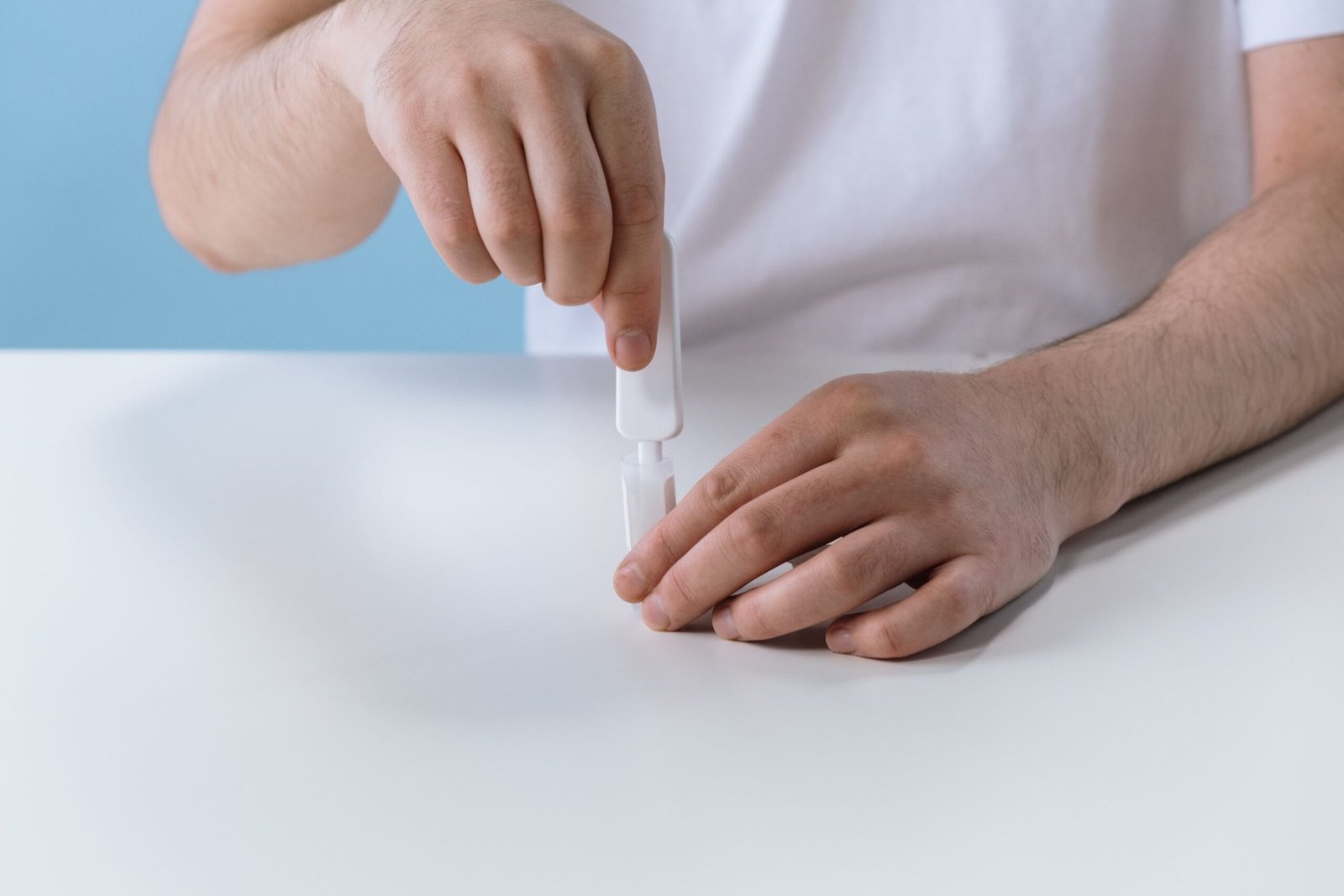
The market is flooded with DIY asbestos test kits, promising a simple and affordable solution for identifying ACMs. These kits typically contain the essentials for sample collection: personal protective equipment (PPE) such as gloves and a dust mask, small sample bags, and instructions for mailing the sample to a laboratory . The allure is strong for a homeowner looking at a single suspect ceiling tile or section of flooring; the upfront cost of a kit is often significantly less than hiring a professional for a full survey. The results, usually delivered via email within a few days, are often provided by accredited laboratories that use reputable analysis methods . At first glance, this seems like an efficient, budget-friendly solution. Some kits even utilize advanced chemical testing that can provide preliminary results in minutes . However, the convenience of these kits belies significant risks and limitations that can have serious consequences for health and legal compliance.
Hidden Dangers: Why DIY Testing Can Be a Hazardous Choice
The greatest irony of a DIY asbestos test is that the act of taking the sample can be the most dangerous part of the entire process. Unlike professionals who use specialized containment techniques, an untrained individual who cuts, breaks, or scrapes a suspect material may unknowingly release a cloud of microscopic asbestos fibers into their living space . Without proper HEPA-filtered vacuums and high-grade respirators (a basic dust mask is insufficient), the fibers can linger in the air for hours or days and become embedded in carpets, clothing, and furniture. Furthermore, the risk of a false negative is alarmingly high. A homeowner might sample the wrong material, or the lab analysis might fail to detect trace levels of asbestos (under 1%) that are still considered a health risk . Similarly, receiving a false positive can cause unnecessary panic and costly delays. Ultimately, a negative result from a single DIY sample does not prove a building is safe, as asbestos could be present in other unseen areas. This false sense of security can be more dangerous than not testing at all, as it may lead to careless renovation practices in the future.
The Professional Advantage: Safety, Accuracy, and Compliance
In contrast to the high stakes of DIY sampling, engaging a licensed and accredited asbestos surveyor is the only truly safe and defensible approach. The Health and Safety Executive (HSE) and other regulatory bodies explicitly state that sampling asbestos materials should be carried out by a suitably trained person . Professionals are trained to identify potential ACMs in bulk materials , assess their risk, and extract samples using rigorous control measures that contain any fiber release. They follow strict legal guidelines, ensuring the disposal of contaminated PPE and materials is handled correctly . While the initial cost is higher, a professional survey provides comprehensive peace of mind. It includes a thorough inspection of the property to identify all potential ACMs, providing a complete risk profile rather than a narrow snapshot. For commercial properties, rental accommodations, or any situation involving legal duties, the professional report is the only document that holds weight for compliance, liability, and safe project management.
Conclusion
Navigating the risks of asbestos in the home is a serious responsibility that should never be taken lightly. While DIY asbestos test kits offer a tempting path toward quick and cheap answers, they represent a gamble with far too high stakes. The potential for inaccurate results and, most critically, the danger of personal exposure during sample collection present a significant health risk to you and your family. The term “asbestlint” serves as a potent reminder that even harmless-looking dust can harbor a deadly secret. For any suspect material, the safest and most reliable course of action is to call in a professional. When it comes to asbestos, the expertise and safety measures of a licensed surveyor are not just a legal and logistical necessity; they are an investment in your long-term health and well-being.
Frequently Asked Questions (FAQ)
Q: What exactly is an asbestos test kit, and how does it work?
A: An asbestos test kit is a product designed for collecting a sample of a suspect building material to be analyzed for asbestos content. Typically, a user collects a small sample of the material using provided tools and PPE, places it in a secure bag, and mails it to a laboratory. The lab uses techniques like Polarized Light Microscopy (PLM) to determine if asbestos is present .
Q: Is it safe to use a DIY asbestos test kit?
A: In most cases, using a DIY kit is not recommended due to the high risk of exposure. The very act of cutting or breaking a suspect material to take a sample can release microscopic and highly dangerous asbestos fibers into the air . This is a task strictly recommended for trained professionals with specialized safety equipment.
Q: What are the limitations of a DIY asbestos kit?
A: The limitations are significant. They can produce false negatives, especially if the sample is taken incorrectly or if the lab cannot detect trace amounts . A negative result from one sample also does not confirm that a whole building is asbestos-free, as other materials may still contain it. Furthermore, the result provides no professional advice on what to do if the test is positive .
Q: What is the main difference between a DIY kit and a professional asbestos survey?
A: A DIY kit offers a narrow, high-risk snapshot of a single area. A professional survey, on the other hand, is a comprehensive, safe inspection of the entire property. A trained surveyor will identify all potential risks, sample materials safely, provide a full written report, and offer expert advice on management or removal, all while complying with health and safety regulations .
Q: Why was asbestos used in construction materials if it is so dangerous?
A: Asbestos was valued for its exceptional physical properties. It is a highly durable, heat-resistant, and fireproof material. For decades, it was considered a miracle mineral and was widely used in thousands of building products, from insulation and cement to floor tiles and textured coatings, before its severe health risks became widely understood .
Causes, Treatment, and When to Seek Medical Help
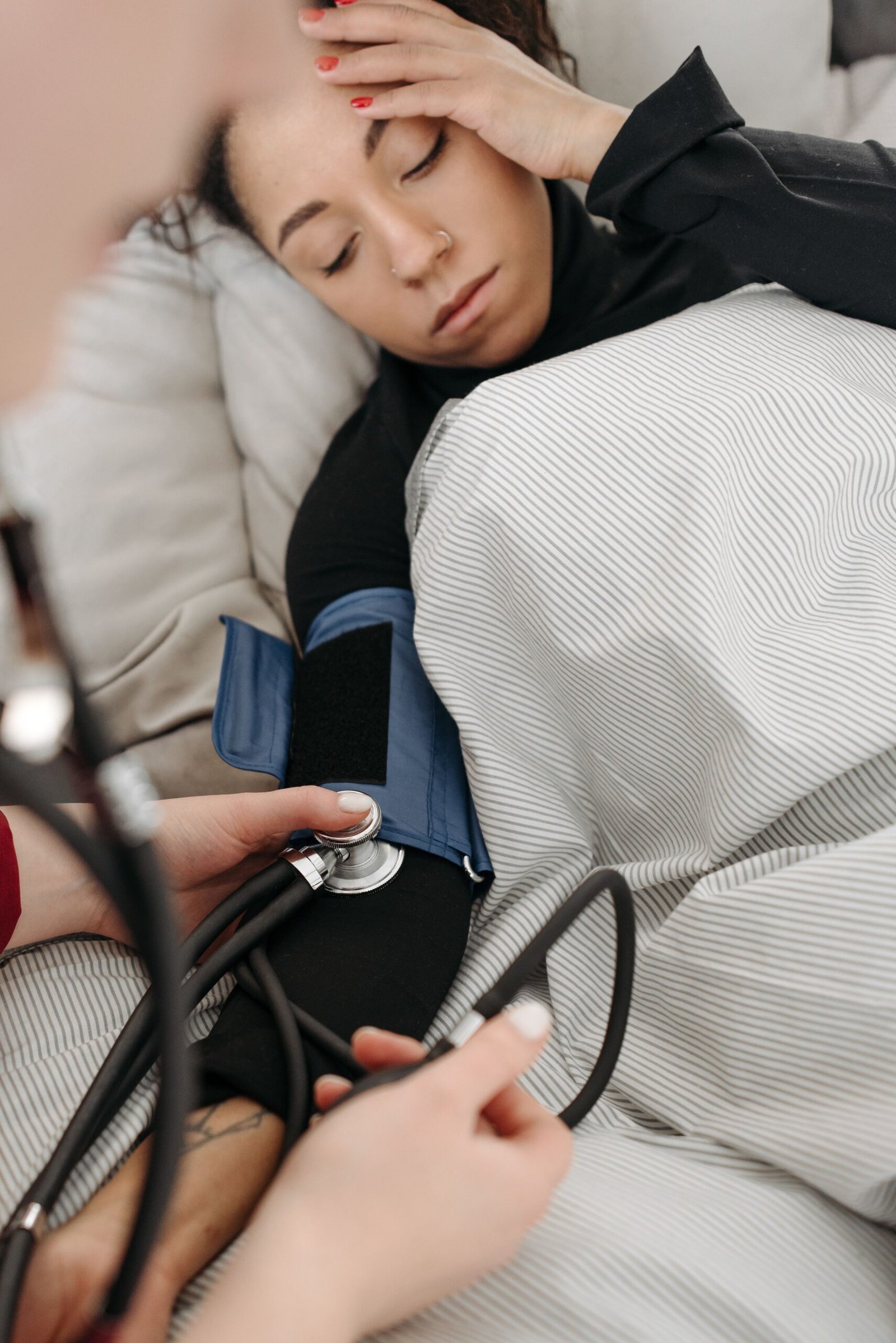
Shivering fever is a common yet often misunderstood condition that affects millions of people worldwide. When you experience the sudden onset of uncontrollable shaking accompanied by a rising body temperature, it can be both alarming and uncomfortable. This comprehensive guide explores everything you need to know about shivering fever, from its underlying causes to effective treatment options and when professional medical attention becomes necessary.
What Is Shivering Fever?
Shivering fever refers to the combination of involuntary muscle contractions and an elevated body temperature, typically occurring together during illness. This physiological response represents your body’s sophisticated defense mechanism against invading pathogens. When you experience shivering during a fever, your muscles rapidly contract and relax, generating heat to raise your core body temperature . This process is controlled by the hypothalamus, a small region at the base of your brain that functions as your body’s internal thermostat .
The medical term for severe shivering episodes accompanied by fever is “rigors.” These episodes differ from ordinary shivering caused by cold environments, as they represent an exaggerated reflex response often associated with significant infections . During a rigor, patients typically experience uncontrollable shaking, a profound sensation of coldness, and a rapid rise in body temperature .
The Body’s Defense Mechanism
Understanding why shivering fever occurs requires examining the body’s immune response. When harmful microorganisms such as viruses or bacteria enter your system, your immune system releases chemicals called pyrogens . These pyrogens travel to the hypothalamus and reset your body’s temperature set point to a higher level. Your body then responds to this new “target temperature” by initiating heat-generating mechanisms, including:
Rapid muscle contractions (shivering) that produce heat
Peripheral vasoconstriction, which reduces heat loss from the skin’s surface
Piloerection (goosebumps), which helps trap warm air near the skin
Behavioral responses such as seeking extra blankets or warm clothing
This process continues until your core body temperature reaches the new set point, at which point the shivering typically subsides .
Common Causes of Shivering Fever
Shivering fever can stem from various underlying conditions, ranging from mild viral infections to serious bacterial diseases. Identifying the root cause is essential for appropriate treatment.
Infectious Causes
Infections represent the most common triggers for shivering fever. The rapid muscle contractions and temperature elevation serve to create an environment hostile to invading pathogens . Common infectious causes include:
Respiratory Infections: Influenza (flu), pneumonia, and strep throat frequently present with fever accompanied by chills and shivering . These infections trigger robust immune responses that reset the hypothalamic temperature set point.
Urinary Tract Infections: UTIs can cause significant fever and rigors, particularly when the infection reaches the kidneys . Pyelonephritis, or kidney infection, is classically associated with severe shaking chills .
Bacterial Infections: Certain bacterial infections are particularly known for causing rigors. These include bacterial meningitis, sepsis, and biliary tract infections . Rigors in adults often serve as an important clinical marker for bacteremia and invasive bacterial infections .
Malaria: This parasitic infection causes characteristic cycles of fever and rigors, with shivering episodes occurring as the parasites are released into the bloodstream .
Non-Infectious Causes
While infections predominate, shivering fever can also occur without an infectious cause:
Post-Surgical Shivering: Patients recovering from general anesthesia may experience significant shivering as their bodies work to regulate temperature after being exposed to cool operating room environments . Anesthetics can temporarily impair the body’s normal temperature regulation mechanisms .
Medication Reactions: Certain medications, including some antibiotics and chemotherapy agents, can trigger shivering as a side effect . Transfusion reactions may also cause rigors in up to 30% of cases .
Psychological Factors: Strong emotions, anxiety, and stress can trigger shivering responses in some individuals . The body’s fight-or-flight response releases adrenaline, which can cause shaking and tremors .
Metabolic Disorders: Conditions such as hypoglycemia (low blood sugar) and hypothyroidism can cause abnormal shivering . These conditions affect the body’s metabolic rate and temperature regulation.
Symptoms Accompanying Shivering Fever
Shivering fever rarely occurs in isolation. Understanding the constellation of symptoms helps identify the underlying cause and determine appropriate care.
Primary Symptoms
The hallmark symptoms of shivering fever include:
Involuntary muscle shaking and trembling
Sensation of intense cold despite warm surroundings
Rapidly rising body temperature
Pale or cool skin during the shivering phase
Associated Symptoms
Depending on the underlying cause, shivering fever may be accompanied by:
Headache and muscle aches
Fatigue and weakness
Sore throat or cough (with respiratory infections)
Nausea or vomiting
Sweating as fever breaks
Rapid heartbeat and increased breathing rate
In children, shivering fever episodes require careful differentiation from febrile convulsions, which involve more severe neurological symptoms . Parents should monitor their child’s responsiveness during shivering episodes to distinguish between rigors and seizures.
Treatment Approaches for Shivering Fever
Effective management of shivering fever focuses on addressing the underlying cause while providing symptomatic relief. The approach varies based on severity, age, and associated symptoms.
Home Management
For mild fevers (below 102°F or 38.8°C) in otherwise healthy adults, home management may be sufficient . Recommended strategies include:
Medication: Over-the-counter antipyretics such as acetaminophen (Tylenol) or ibuprofen can help reduce fever and alleviate associated discomfort . These medications work by reducing prostaglandin production, which helps normalize the hypothalamic temperature set point .
Hydration: Maintaining adequate fluid intake is crucial during fever episodes. Dehydration can worsen symptoms and complicate recovery . Water, clear broths, and oral rehydration solutions are recommended, while alcohol and caffeinated beverages should be avoided .
Rest: The body requires significant energy to fight infections and regulate temperature. Adequate rest supports immune function and promotes recovery .
Temperature Management: Contrary to intuition, bundling up in heavy blankets or using fans and air conditioning can worsen shivering . Heavy blankets trap heat and may cause the body to perceive that it needs to continue raising its temperature . Instead, wearing lightweight, comfortable clothing and using a single light blanket is recommended .
Lukewarm Sponging: Sponging the body with lukewarm water (approximately 70°F or 21°C) can help reduce fever without triggering additional shivering . Cold water should be avoided as it may induce more shivering and potentially raise the fever further .
Medical Treatment
When shivering fever indicates a more serious underlying condition, professional medical care is essential:
Antibiotics: Bacterial infections causing fever and rigors require appropriate antibiotic therapy . Treatment should be targeted based on culture results and clinical assessment.
Hospitalization: Severe cases, particularly in children, the elderly, or immunocompromised patients, may require hospital admission for monitoring and intravenous treatment .
Managing Rigors: For severe rigors, healthcare providers may administer medications to control shaking while treating the underlying infection .
When to Seek Medical Attention
Recognizing when shivering fever requires professional medical evaluation is crucial for preventing complications.
Red Flags in Adults
Seek immediate medical attention if you experience:
Fever exceeding 103°F (39.4°C) despite home treatment
Fever lasting more than three days or persisting beyond five days
Shortness of breath or difficulty breathing
Severe headache with stiff neck
Confusion, disorientation, or unusual irritability
Severe abdominal pain or frequent urination
Coughing up blood
Special Considerations for Children and Infants
Children require special attention when experiencing fever and shivering:
Infants under 3 months with any fever (above 100.4°F or 38°C) require immediate medical evaluation
Children with fever lasting more than 24 hours should be assessed by a healthcare provider
Signs of dehydration, including decreased urination, dry mouth, or lethargy, warrant prompt medical attention
Any child with difficulty breathing, persistent vomiting, or a rash should be evaluated immediately
Prevention Strategies
While not all causes of shivering fever can be prevented, several strategies can reduce your risk:
Vaccination: Staying current with recommended vaccinations protects against many infectious causes of fever, including influenza, pneumonia, and certain bacterial infections .
Good Hygiene: Regular hand washing and avoiding close contact with sick individuals can prevent the spread of infectious agents .
Healthy Lifestyle: Maintaining proper nutrition, adequate sleep, and regular physical activity supports immune function .
Temperature Management: Avoiding extreme temperature exposure and maintaining a comfortable environment helps prevent unnecessary stress on the body’s temperature regulation systems .
Distinguishing Between Rigors and Other Shivering
Understanding the difference between rigors, ordinary chills, and other causes of shaking is important for appropriate response:
Ordinary Chills: These occur in response to cold environments and typically resolve with warming measures. They may not be associated with fever and generally lack the intense, uncontrollable quality of rigors .
Rigors: These represent severe, exaggerated shivering episodes associated with rapid fever elevation. Rigors are often described by patients as violent, uncontrollable shaking and indicate significant underlying pathology .
Psychogenic Shivering: Shaking related to stress, anxiety, or strong emotions typically lacks the fever component and resolves with relaxation techniques .
Conclusion
Shivering fever represents your body’s sophisticated defense mechanism against illness, combining involuntary muscle contractions with elevated body temperature to combat infection. While this response can be uncomfortable and alarming, understanding its purpose and appropriate management strategies empowers you to respond effectively. Mild cases often respond well to home care, including adequate hydration, rest, and appropriate use of fever-reducing medications. However, severe or persistent symptoms require prompt medical attention, particularly in vulnerable populations such as children, the elderly, and those with compromised immune systems. By recognizing warning signs and seeking timely care, most causes of shivering fever can be effectively treated, leading to complete recovery.
Frequently Asked Questions About Shivering Fever
Q1: Why do I shiver when I have a fever when I feel hot?
Shivering during fever occurs because your hypothalamus has reset your body’s temperature set point to a higher level to fight infection. You feel cold and shiver because your current body temperature is below this new set point. Your body is generating heat through muscle contractions to reach the elevated temperature required to combat pathogens. Once your temperature reaches this new set point, the shivering typically stops .
Q2: Is shivering fever dangerous?
Shivering fever itself is not inherently dangerous; it’s the body’s natural defense mechanism. However, the underlying cause of the fever can be serious. Seek medical attention if your fever exceeds 103°F, lasts more than three days, or is accompanied by severe symptoms such as confusion, difficulty breathing, or a stiff neck .
Q3: Should I bundle up in blankets when I have shivering fever?
No. Despite feeling cold, bundling up in heavy blankets is not recommended. Heavy blankets can trap heat and cause your body to continue attempting to raise its temperature, potentially worsening the shivering and fever. Instead, wear lightweight clothing and use a single light blanket for comfort .
Q4: Can I take a cold bath to reduce fever?
Cold baths are not recommended for fever reduction. Cold water may trigger additional shivering as your body works to warm itself, potentially raising your core temperature further. Lukewarm sponging (water around 70°F) is a safer alternative to help reduce fever without inducing more shivering .
Q5: Can shivering occur without a fever?
Yes, shivering can occur without fever. Causes include exposure to cold, anxiety and stress, certain medications, hypoglycemia (low blood sugar), hypothyroidism, and some neurological conditions. If you experience unexplained shivering without fever, particularly if it’s persistent or severe, consult a healthcare provider .
Q6: How long should a fever with shivering last before seeing a doctor?
For adults, see a doctor if fever persists for more than three days or lasts beyond five days. Seek immediate medical attention if fever exceeds 103°F despite home treatment, or if accompanied by concerning symptoms such as difficulty breathing or confusion. For infants under three months, any fever requires immediate medical evaluation .
Q7: Are shivering fevers in children different from adults?
Children tend to develop higher fevers than adults and may experience shivering fever more frequently. However, rigors in children are not necessarily more likely to indicate serious bacterial infection when other factors such as age and appearance are considered. Parents should monitor children closely and seek medical advice if symptoms persist or worsen .

2022 Tesla Model X: Complete Guide to Price, Range, Specs, Performance, and Features

Isha Kriya: A Complete Guide to This Simple Guided Meditation

Zoozoo Tube: A Complete Guide to Online Video Entertainment

RepMold: The Complete Guide to Advanced Mold Repair, Replication, and Sustainable Manufacturing Solutions

The Quiet Strength of Charles Ezekiel Mozes: A Story of Privacy, Family, and Identity

Jane Benyo: The Untold Story of Tom Petty’s First Wife and the Inspiration Behind a Rock Anthem
 Tech4 months ago
RepMold: The Complete Guide to Advanced Mold Repair, Replication, and Sustainable Manufacturing Solutions
- lifestyle4 months ago
The Quiet Strength of Charles Ezekiel Mozes: A Story of Privacy, Family, and Identity
- lifestyle4 months ago
Jane Benyo: The Untold Story of Tom Petty’s First Wife and the Inspiration Behind a Rock Anthem
- Fashion4 months ago
Femboy Names: The Ultimate Guide to Finding Your Perfect Feminine Identity
- Tech4 months ago
Patricia Fair: A Comprehensive Exploration of the Name Behind Influence, Science, and Family
- Business4 months ago
Exhentaime: The Ultimate Guide to Mastering Time, Boosting Productivity, and Achieving Work-Life Balance
- Business4 months ago
Foxfiny com: A Comprehensive Review, User Guide, and Credibility Analysis for 2026
- Business4 months ago
Unveiling Piragnia: The Truth Behind the Amazon’s Most Feared Fish