
Business
Unveiling Piragnia: The Truth Behind the Amazon’s Most Feared Fish

Introduction
When you first hear the term “Piragnia,” it may conjure images of a mysterious creature, a fearsome predator, or perhaps a misspelling of a more familiar word. In reality, Piragnia is the Italian and often-used informal adaptation of the word piranha, a name that strikes both fear and fascination into the hearts of people worldwide. These remarkable freshwater fish, scientifically belonging to the family Serrasalmidae, have been the subject of myth, legend, and cinematic exaggeration for decades. However, the true story of the Piragnia is far more nuanced and compelling than the sensationalized tales of flesh-eating monsters that have permeated popular culture. This comprehensive article delves deep into the world of the Piragnia, exploring its biology, behavior, ecological significance, and the profound cultural impact it has had across the globe. By the end of this journey, you will understand why the Piragnia is not merely a fish but a fascinating symbol of the power and mystery of the Amazon’s aquatic ecosystems.
The Etymology and Naming of Piragnia
To truly understand the Piragnia, we must first unravel the threads of its name. The term itself is a fascinating linguistic journey. “Piragnia” is derived from the Portuguese word “piranha,” which in turn originates from the indigenous Tupí language of Brazil. In Tupí, the word translates literally to “tooth fish,” a fitting description for a creature whose most prominent feature is its formidable dental armament. This etymological root highlights the characteristic that has most defined the species in the human imagination: its teeth.
The specific adaptation to “Piragnia” primarily occurs in the Italian language, where the term “piragna” (plural “piragne”) is recognized in dictionaries such as the renowned Treccani. Interestingly, despite the word’s feminine grammatical gender in Italian, it is often erroneously used in the masculine form, a testament to the confusion and mystique that surrounds these animals. This linguistic transformation from “piranha” to “Piragnia” underscores the global spread of the concept and the enduring curiosity about these creatures, as their name has been adapted to fit different phonetic and grammatical structures across languages. The name itself is a powerful indicator of the creature’s primary impact on human consciousness: a creature defined by its teeth.
Physical Characteristics and Anatomy of the Piragnia
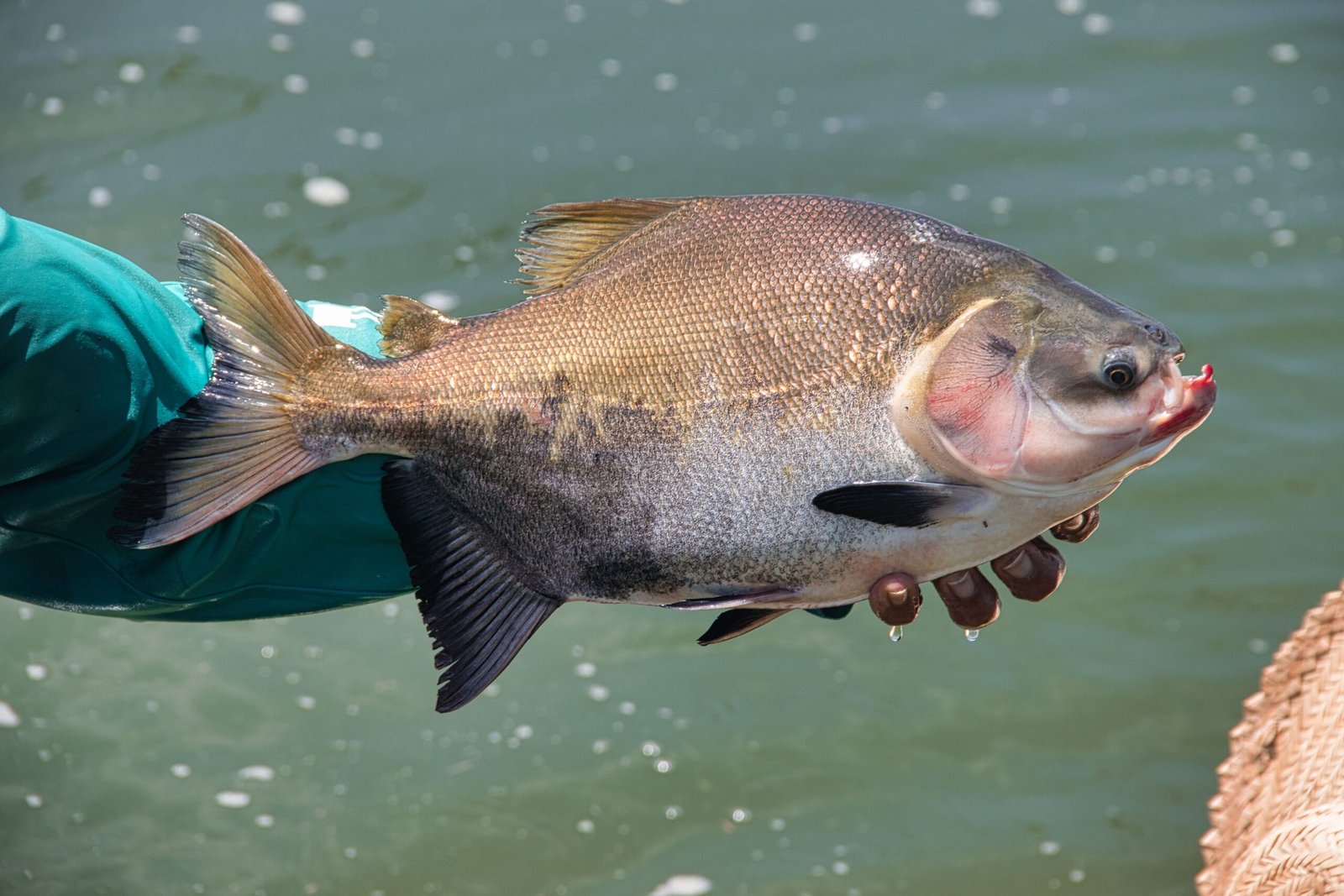
The Piragnia is a marvel of evolutionary engineering, possessing a suite of physical adaptations that make it a highly efficient predator and survivor. Its body is typical of the characiform family: laterally compressed, which gives it a thin but robust profile well-suited for maneuvering through the dense vegetation and turbulent waters of its native habitat. They are small to medium-sized fish, with the average adult typically ranging from 5 to 14 inches (about 12 to 35 centimeters) in length, although some species, like the black piranha (Serrasalmus niger) and Serrasalmus piraya, can reach up to 20 inches (approximately 51 centimeters). Their coloration varies significantly among species, from olive-green to blue-black, often featuring vibrant red or orange underbellies, as seen in the famous red-bellied piranha (Pygocentrus nattereri).
The most distinguishing and awe-inspiring feature of the Piragnia is undoubtedly its mouth. Often described as a “bear trap,” the powerful jaws are armed with a single row of razor-sharp, triangular teeth that interlock perfectly. The teeth of the Piragnia are sharper than those of a shark and are designed for efficiency, capable of snipping bite-sized chunks of flesh from prey with a single, powerful bite. This incredible cutting ability is supported by dense, powerful jaw muscles that provide immense biting force, making the mouth an exceptionally efficient tool for both hunting and scavenging. In addition to their formidable jaws, Piragnia possess a highly developed sensory system, including a lateral line that runs along their body, which detects minute vibrations in the water, alerting them to the presence of potential prey or predators. These physical attributes combine to create a fish perfectly adapted to its environment.
Habitat and Distribution of the Piragnia
The Piragnia is a quintessential inhabitant of South America’s vast and intricate freshwater systems. They are native to the warm, tropical rivers, lakes, and floodplains that crisscross the continent, with their primary stronghold being the Amazon Basin and the Orinoco River system. These environments provide the ideal conditions for the Piragnia to thrive, including warm water temperatures, abundant food sources, and plenty of shelter in the form of submerged roots, dense vegetation, and overhanging banks. The Piragnia is an adaptable fish, but it is also highly sensitive to its environment, with water temperature, pH level, and oxygen content being critical factors for its survival.
Seasonal floods in the Amazon Basin play a crucial role in the Piragnia’s life cycle, creating temporary habitats that allow them to expand their range and exploit new sources of food. However, this dependence on healthy river systems also makes the Piragnia vulnerable. They are highly sensitive to pollution, deforestation, and habitat destruction, which underscores the importance of conservation efforts in South America. While the Piragnia is primarily a South American species, human activity has introduced them to other regions, such as parts of China and the United States, where they are considered an invasive species capable of disrupting local ecosystems. Despite this, the Piragnia’s heartland remains the mighty Amazon, a region that shapes their behavior and evolutionary story.
The Diet and Feeding Habits of the Piragnia
Perhaps no aspect of the Piragnia’s life is more shrouded in myth than its diet and feeding behavior. The popular image is one of a relentless, mindless killer that swarms its prey in a feeding frenzy. While Piragnia are indeed capable of such behavior, the reality is far more complex. The Piragnia is an omnivorous and opportunistic feeder, and the majority of its diet consists of insects, crustaceans, other small fish, and even plant matter such as fruit, leaves, and seeds. They play a vital role as both predators and scavengers in their ecosystem, often consuming the carcasses of dead animals and keeping the waterways clean by preventing decay and disease.
The infamous “feeding frenzies” where a school of Piragnia strips a large animal to its bones in minutes do occur, but they are far from the norm. These events are typically triggered by specific conditions, such as a scarcity of food, low water levels that concentrate prey, or the presence of blood or injured animals in the water. A scout fish may bite a victim, and the resulting blood and commotion can attract a large school of Piragnia, which then engage in a feeding frenzy. However, attacks on humans are extremely rare and usually involve people wading in shallow water, often during the dry season, or disturbing the fish unintentionally. Their diet is not solely focused on meat; studies have shown that the same fish that exhibits carnivorous behavior can assume a herbivorous diet depending on the availability of food and the season, demonstrating a high level of adaptability. This dietary flexibility is a key to their success as a species.
Behavior, Social Structure, and Reproduction
Contrary to the solitary, savage image often portrayed, the Piragnia is a highly social creature. They are gregarious fish, meaning they naturally live in large groups or schools, which can range from a few dozen to several hundred individuals. This schooling behavior serves multiple purposes, including protection from predators and improved hunting efficiency. Living in a group provides safety in numbers and allows them to more effectively locate and overwhelm prey. They also exhibit a surprising form of communication, capable of making various vocalizations, including sounds akin to a bark, by contracting muscles around their swim bladder.
The reproductive behavior of the Piragnia is another area where they defy stereotypes. During the breeding season, male Piragnia become territorial, preparing nests in shallow waters and guarding the eggs and young fry from predators. This parental care is crucial for the survival of the species, ensuring the next generation can grow and thrive. The Piragnia’s behavior is not fixed but is highly influenced by environmental factors. Their unpredictable nature, where they can be docile in some rivers and aggressive in others, is often attributed to factors like the time of year and water temperature. When kept in aquariums, they require careful handling, as even if they are not aggressive by nature, they will certainly use their sharp teeth if they feel threatened or stressed, making aquarium maintenance a potentially hazardous activity.
Piragnia in Mythology, Culture, and the Modern World
The Piragnia’s impact extends far beyond the waters of the Amazon, deeply influencing human culture, mythology, and popular media. For indigenous peoples of South America, the Piragnia has long been a part of folklore, sometimes feared for its feeding frenzies and sometimes respected as a vital part of the river ecosystem. The fish holds a place of duality in their stories, symbolizing both danger and the natural balance of life. In modern culture, the Piragnia‘s fame has been largely driven by sensationalized stories, travelogues, and Hollywood films that have exaggerated its aggressive tendencies, turning it into a cinematic monster.
This global fascination with the Piragnia has also led to its use in various colloquial and metaphorical contexts. In some parts of Central and South America, the word “piraña” is used colloquially to describe a clever or crafty person, or even a shark-like exploiter who takes advantage of others. In Nicaragua, it can even refer to a type of assault craft. This demonstrates how the Piragnia‘s cultural significance has evolved, with the name being repurposed to describe human traits and objects. Today, the Piragnia is also a popular, if challenging, aquarium fish. Hobbyists are drawn to their unique appearance and behavior, but keeping them requires a large tank, excellent filtration, a varied diet, and an understanding of their specific needs. The Piragnia‘s journey from a vital Amazonian species to a global cultural icon is a testament to its enduring power to captivate and intrigue.
Conclusion
The Piragnia, or piranha, is a creature of profound contradiction. It is a fish that has been mythologized as a mindless killer, yet it is a complex, social animal that plays an indispensable role in the health of its ecosystem. While its razor-sharp teeth and powerful jaws are formidable, its diet is often omnivorous, and its behavior is far more nuanced than the frenzied feeding depicted in popular culture. The Piragnia‘s story is one of adaptability, resilience, and evolutionary perfection, a testament to the power of nature’s design. It is a fish that has left an indelible mark on human culture, inspiring fear, respect, and endless fascination. By looking beyond the myths and understanding the true nature of the Piragnia, we gain not only a deeper appreciation for this remarkable creature but also for the delicate and vibrant ecosystems it calls home. The Piragnia, in its essence, is not just a fish but a symbol of the Amazon, a powerful and captivating creature worthy of our respect and protection.
Frequently Asked Questions (FAQ)
What is Piragnia?
Piragnia is the Italian and informal name for the piranha, a freshwater fish native to South America, known for its sharp teeth and powerful jaws. It belongs to the family Serrasalmidae.
Are Piragnia dangerous to humans?
Attacks on humans are extremely rare. While they are capable of inflicting serious bites, Piragnia are primarily scavengers and opportunistic feeders that usually only attack when they feel threatened or when food is scarce. Most species are not interested in humans as prey.
What do Piragnia eat?
Piragnia are omnivorous and opportunistic eaters. Their diet includes insects, crustaceans, other small fish, and plant matter. They are also important scavengers, feeding on carrion and helping to keep the waterways clean.
Where do Piragnia live?
Piragnia are native to the warm freshwater rivers and lakes of South America, primarily in the Amazon Basin and Orinoco River systems. They prefer areas with dense vegetation and submerged roots for shelter and hunting.
How big do Piragnia get?
The size varies by species, but the average adult Piragnia is between 5 and 14 inches (12 to 35 cm) long. Some species, like the black piranha, can reach up to 20 inches (51 cm).
Can Piragnia be kept as pets?
Yes, they are popular, albeit challenging, aquarium fish. They require a very large tank (minimum 200 liters for a small group), powerful filtration, a varied diet, and careful handling due to their sharp teeth and semi-aggressive nature.
Business
Patrick Reynolds: Biography, Anti-Smoking Activism, Family Legacy, Career, and Lasting Impact

Patrick Reynolds is an American public figure best known for transforming a famous family legacy into a lifelong campaign for public health. As the grandson of tobacco entrepreneur R. J. Reynolds, many expected him to continue supporting the family business. Instead, Patrick Reynolds became one of the strongest voices against smoking after witnessing the devastating health effects of tobacco within his own family. His remarkable journey from tobacco heir to internationally recognized anti-smoking advocate has inspired millions of people around the world. Through public speaking, education, charitable organizations, media appearances, and books, Patrick Reynolds has dedicated decades to reducing tobacco use and helping young people avoid smoking. His life demonstrates how personal tragedy can become the motivation for meaningful social change.
Early Life and Family Background
Patrick Reynolds was born on December 2, 1948, in Miami Beach, Florida. He belongs to the famous Reynolds family, whose name became internationally recognized through the R. J. Reynolds Tobacco Company. Growing up in a wealthy family gave him opportunities that many people could only imagine, but it also exposed him to the tragic consequences of cigarette smoking. His father, R. J. Reynolds Jr., along with several other close relatives, suffered severe illnesses linked to smoking. These deeply personal experiences shaped Patrick Reynolds’ understanding of the tobacco industry’s impact on families and society. Rather than embracing the family business, he gradually developed a desire to educate others about the dangers of tobacco and promote healthier lifestyles.
Education and Early Career
Before becoming an activist, Patrick Reynolds explored acting and entertainment. He studied filmmaking and acting, eventually appearing in television shows and films during the late 1970s and 1980s. Although he enjoyed performing, he discovered that public speaking and advocacy offered a greater opportunity to make a lasting difference. His communication skills developed through acting later became valuable tools in delivering powerful speeches that inspired audiences across schools, universities, conferences, and public events.
Becoming an Anti-Smoking Advocate
The defining moment in Patrick Reynolds’ life came during the 1980s when he publicly criticized the tobacco industry despite belonging to one of its founding families. His testimony before the United States Congress attracted national attention because it was extremely rare for a member of the Reynolds family to oppose tobacco companies. Patrick Reynolds argued that tobacco-related illnesses had claimed members of his own family and believed stronger public health policies could save countless lives. His courageous decision earned respect from health professionals, educators, and public officials worldwide.
Tobaccofree Earth and Public Health Mission
To continue his advocacy, Patrick Reynolds established a nonprofit organization dedicated to tobacco prevention and smoking education. The organization, now known as Tobaccofree Earth, focuses on educating young people, supporting smokers who want to quit, and encouraging governments to adopt stronger tobacco control policies. Through educational campaigns, motivational speeches, and digital outreach, the organization has reached audiences across many countries. Patrick Reynolds continues to promote awareness about smoking, vaping, and nicotine addiction while encouraging healthier communities.
Author and Public Speaker
Patrick Reynolds is also a respected author. His book The Gilded Leaf, co-authored with Thomas Shachtman, explores the history of the Reynolds family, the tobacco industry, and the personal struggles that influenced his decision to become an activist. Beyond writing, Patrick Reynolds has delivered hundreds of speeches before schools, universities, healthcare organizations, and legislative bodies. His presentations combine personal stories, scientific evidence, and motivational messages that encourage healthier decisions among young people and adults alike.
Awards and Recognition
Throughout his career, Patrick Reynolds has received recognition for his commitment to public health. His advocacy has been praised by health organizations and public officials, and he has received honors including the President’s Lifetime Achievement Award. His work has also been recognized by organizations promoting tobacco prevention and healthier lifestyles. These achievements reflect decades of dedication to reducing smoking-related diseases and educating future generations.
Patrick Reynolds’ Legacy
Patrick Reynolds’ legacy extends far beyond his family name. Instead of being remembered only as the grandson of a tobacco company founder, he has become a respected advocate for public health and smoking prevention. His willingness to challenge his own family’s business history demonstrates integrity, courage, and compassion. Through education, advocacy, and public service, Patrick Reynolds continues to influence discussions about tobacco control, youth education, and disease prevention around the world. His story reminds people that personal choices can shape history and improve countless lives.
Conclusion
Patrick Reynolds stands as one of the most remarkable public health advocates in modern American history. While many know him because of his famous family, his true legacy comes from choosing to oppose the tobacco industry and dedicate his life to preventing smoking-related illnesses. Through public speaking, nonprofit leadership, education, and writing, he has inspired millions to understand the dangers of tobacco and embrace healthier lifestyles. His biography is a powerful example of courage, responsibility, and the ability to create positive change despite a complicated family legacy.
Frequently Asked Questions (FAQs)
Who is Patrick Reynolds?
Patrick Reynolds is an American anti-smoking activist, former actor, author, and public speaker known for campaigning against tobacco use.
Why is Patrick Reynolds famous?
He became famous for publicly opposing the tobacco industry despite being the grandson of tobacco company founder R. J. Reynolds.
What organization did Patrick Reynolds found?
He founded Tobaccofree Earth, a nonprofit organization focused on tobacco prevention and public health education.
Did Patrick Reynolds work as an actor?
Yes. Before focusing on activism, he appeared in films and television productions during the 1970s and 1980s.
What book did Patrick Reynolds write?
Patrick Reynolds co-authored The Gilded Leaf, which explores his family’s history and the tobacco industry’s legacy.
What is Patrick Reynolds’ biggest contribution?
His greatest contribution is raising awareness about the dangers of smoking and helping promote tobacco-free lifestyles through education, advocacy, and public speaking.

2022 Tesla Model X: Complete Guide to Price, Range, Specs, Performance, and Features

Isha Kriya: A Complete Guide to This Simple Guided Meditation

Zoozoo Tube: A Complete Guide to Online Video Entertainment

RepMold: The Complete Guide to Advanced Mold Repair, Replication, and Sustainable Manufacturing Solutions

The Quiet Strength of Charles Ezekiel Mozes: A Story of Privacy, Family, and Identity

Jane Benyo: The Untold Story of Tom Petty’s First Wife and the Inspiration Behind a Rock Anthem
 Tech4 months ago
RepMold: The Complete Guide to Advanced Mold Repair, Replication, and Sustainable Manufacturing Solutions
- lifestyle4 months ago
The Quiet Strength of Charles Ezekiel Mozes: A Story of Privacy, Family, and Identity
- lifestyle4 months ago
Jane Benyo: The Untold Story of Tom Petty’s First Wife and the Inspiration Behind a Rock Anthem
- Fashion4 months ago
Femboy Names: The Ultimate Guide to Finding Your Perfect Feminine Identity
- Tech4 months ago
Patricia Fair: A Comprehensive Exploration of the Name Behind Influence, Science, and Family
- Business4 months ago
Exhentaime: The Ultimate Guide to Mastering Time, Boosting Productivity, and Achieving Work-Life Balance
- Business4 months ago
Foxfiny com: A Comprehensive Review, User Guide, and Credibility Analysis for 2026
- Tech4 months ago
The Enduring Legacy of Marilyn Craven: A Deep Dive into Mental Health Advocacy and Primary Care Integration